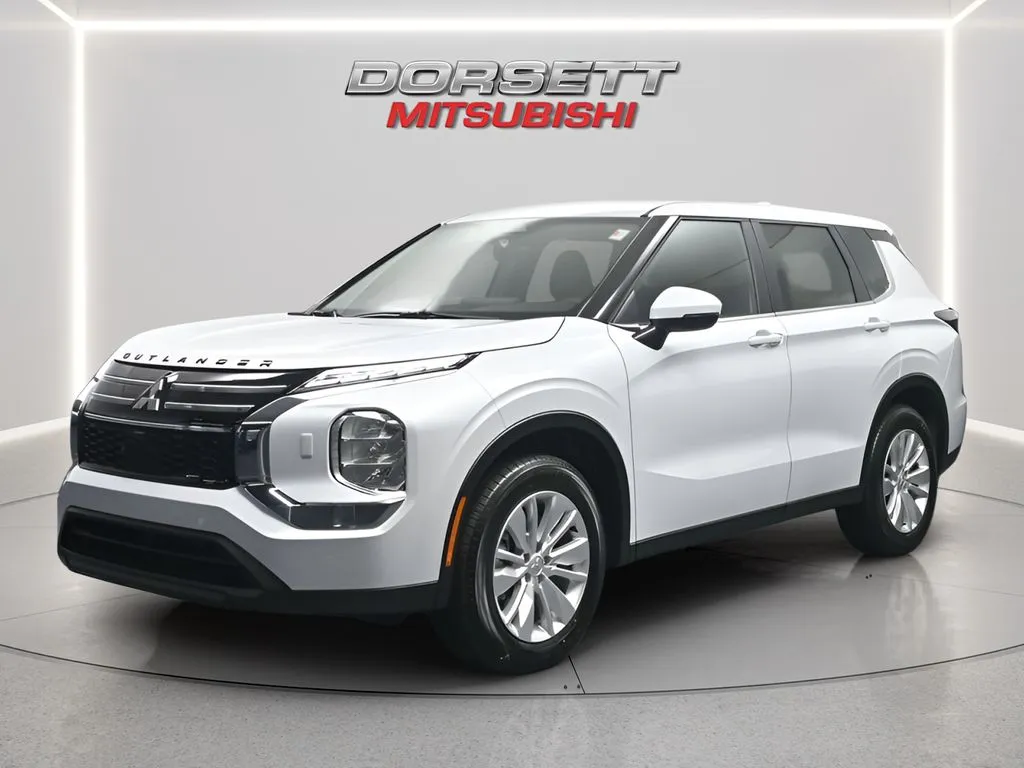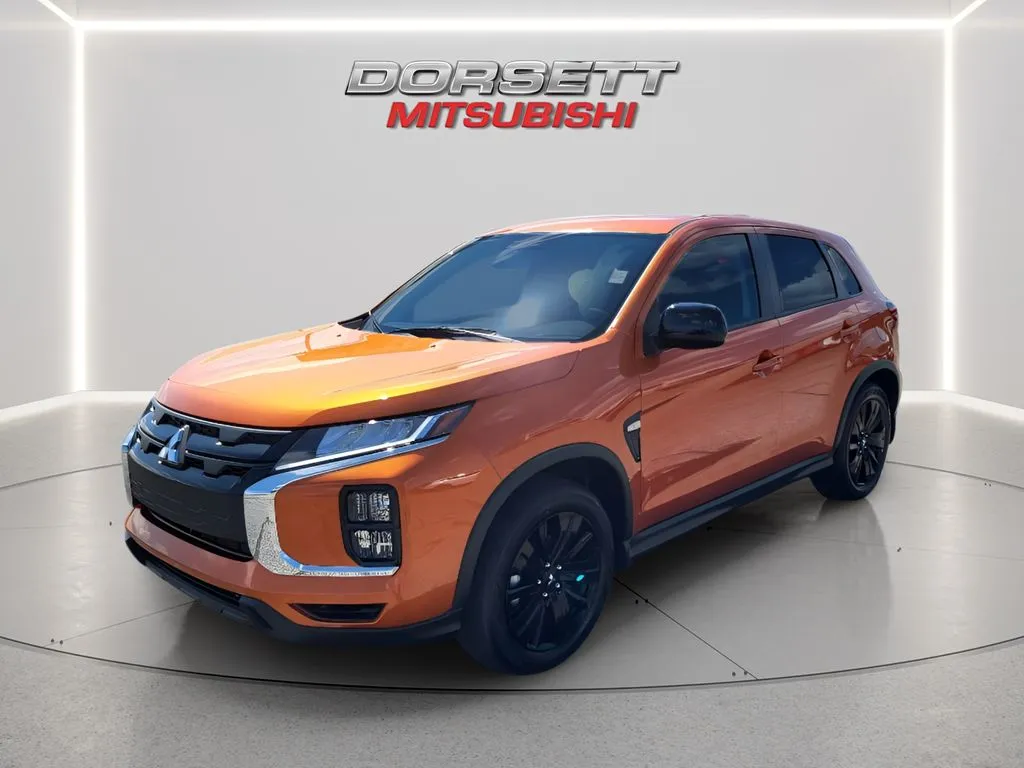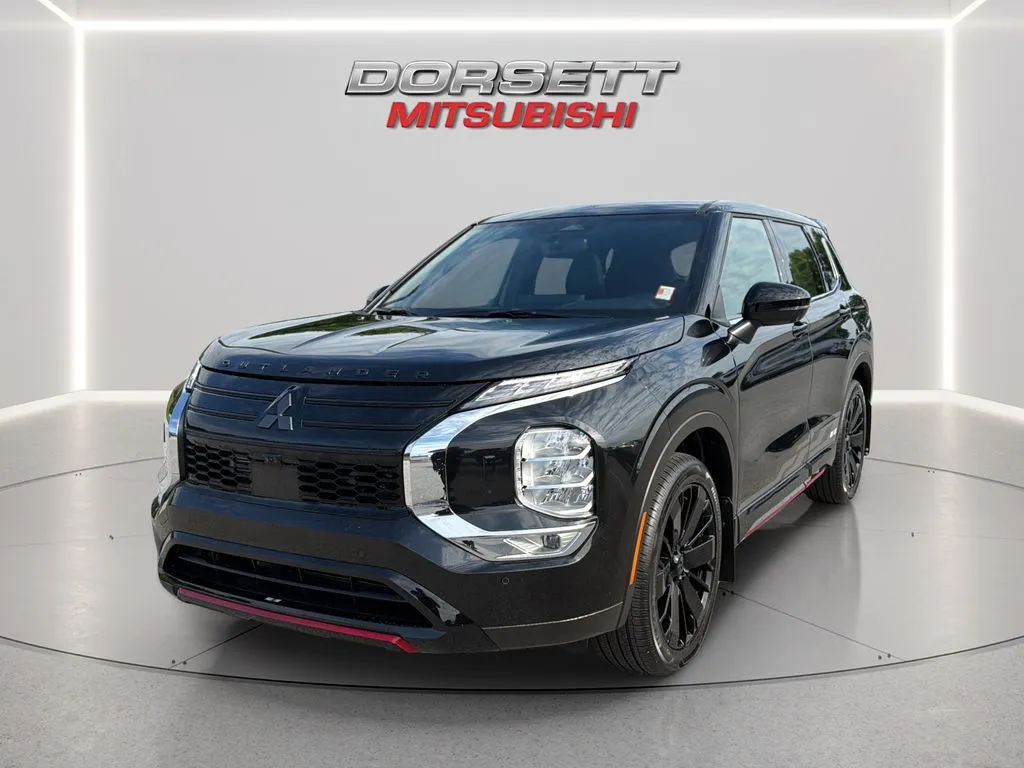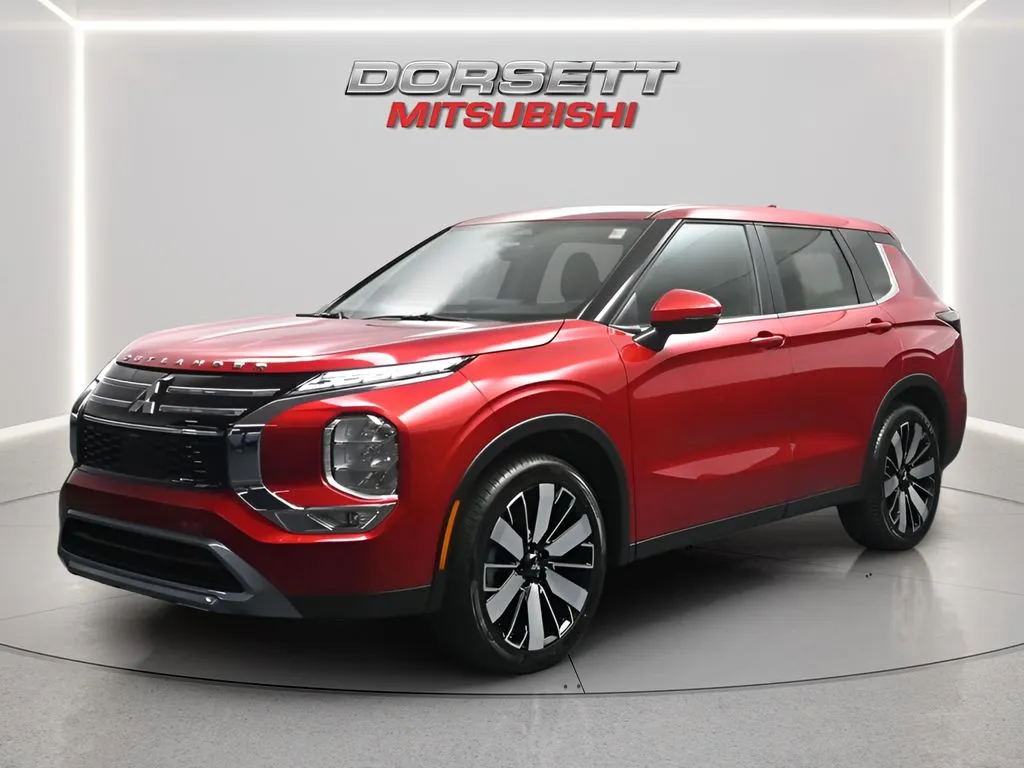
Which AWD System Builds More Everyday Confidence — AWC on the 2026 Outlander Sport or Real Time AWD on the 2026 HR-V around Indianapolis, IN?
Dorsett Mitsubishi - Which AWD System Builds More Everyday Confidence — AWC on the 2026 Outlander Sport or Real Time AWD on the 2026 HR-V around Indianapolis, IN?
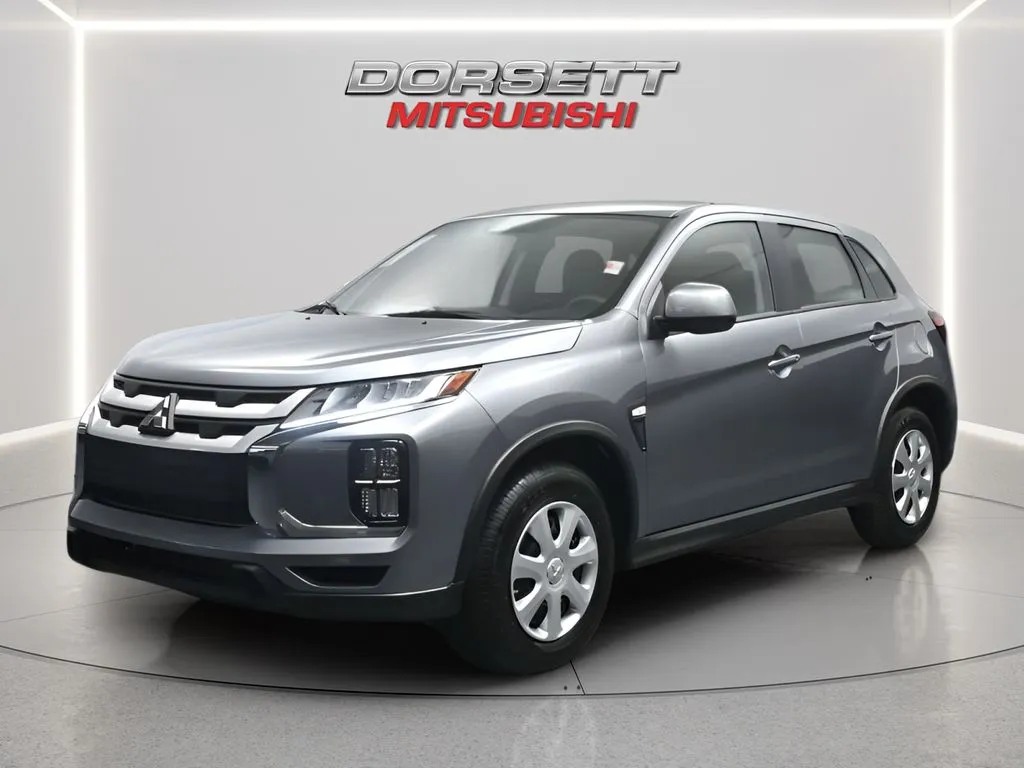
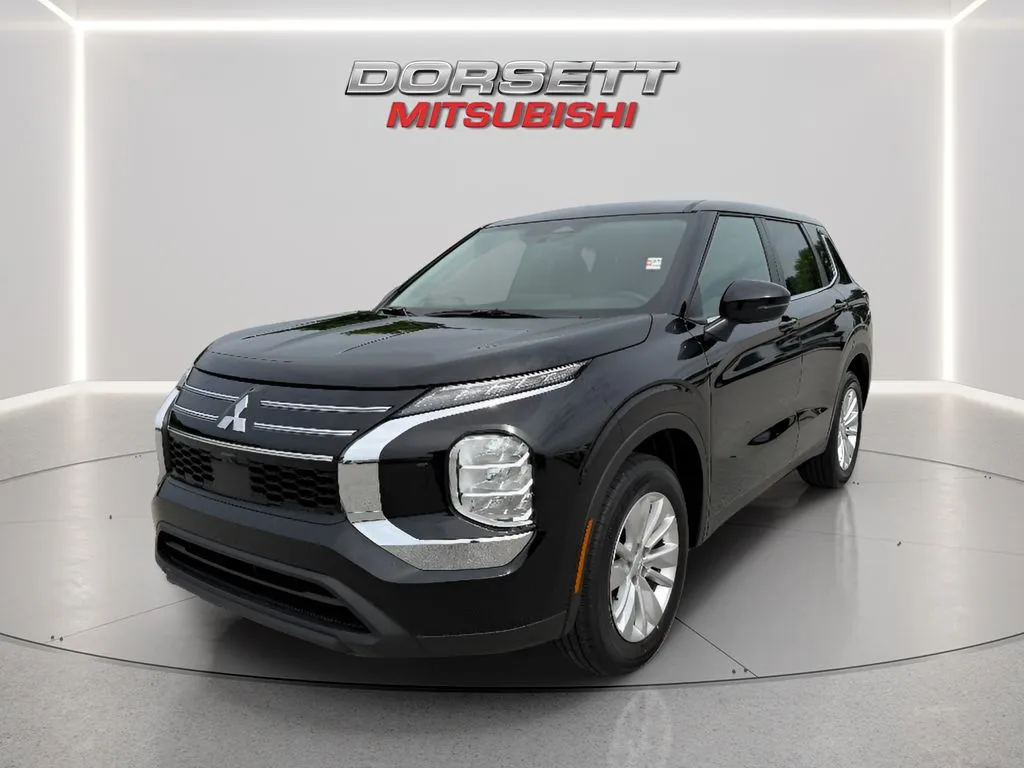
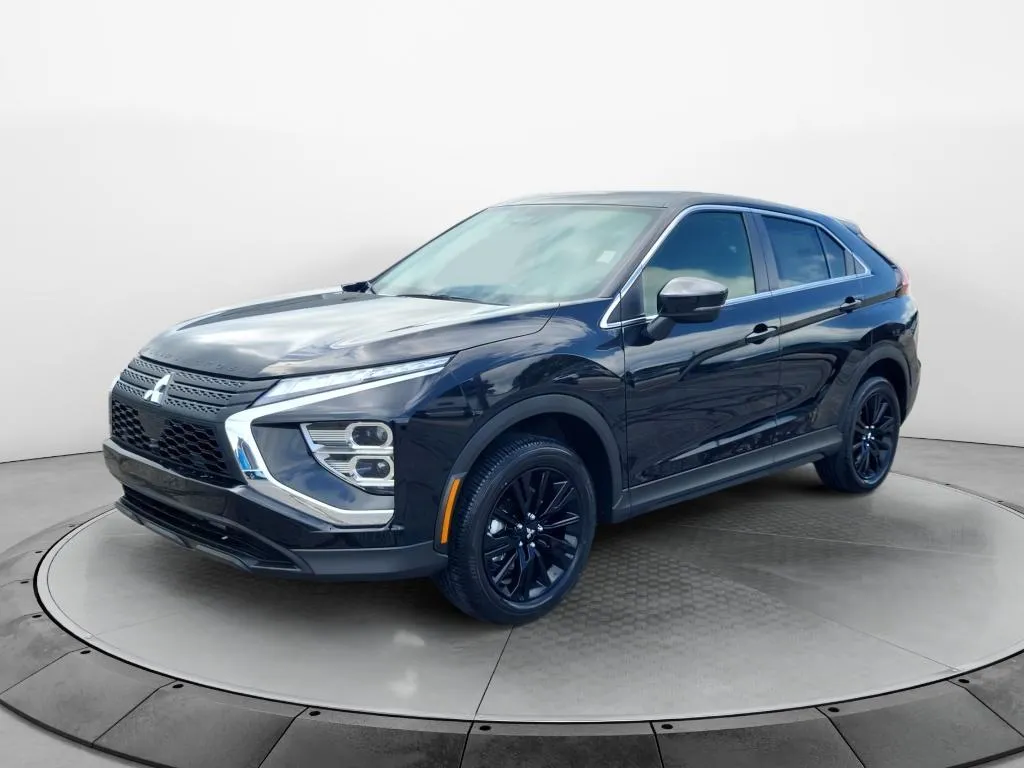
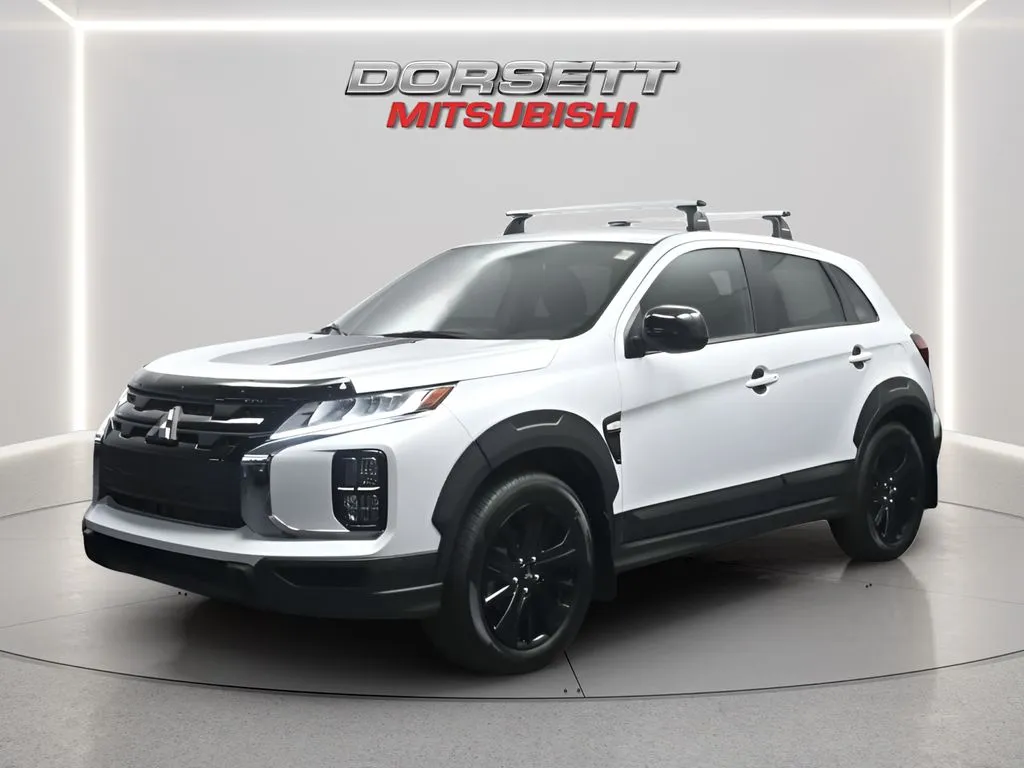
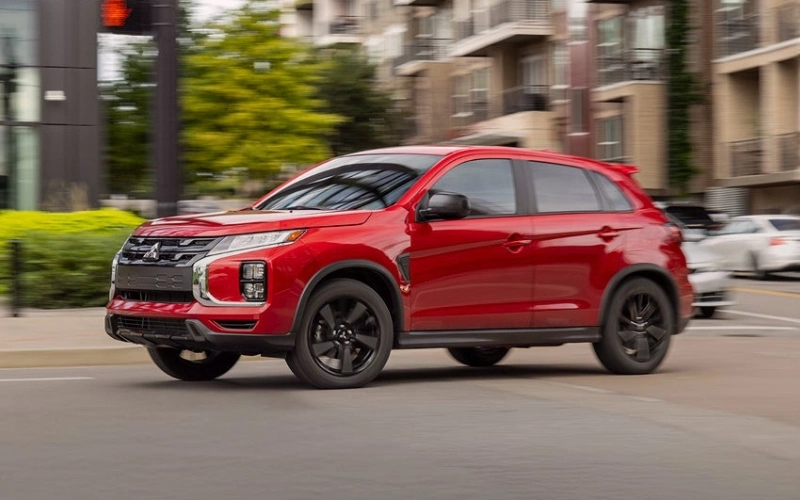
When drivers compare the 2026 Outlander Sport and the 2026 HR-V, the question we hear most is simple: which AWD system feels better in everyday life? It is a smart question, because traction technology shapes how secure you feel in stop-and-go traffic, pulling out from a side street, or easing away from a wet curb cut after a storm. Rather than focus on spec-sheet jargon, this guide explains how Mitsubishi’s All-Wheel Control (AWC) and Honda’s Real Time AWD with Intelligent Control System behave on real roads around Indianapolis, IN—where roads can be a quick mix of interstate, city grids, and well-worn neighborhood lanes.
Both vehicles deliver front-based drivetrains that can send torque rearward when conditions call for it. The most important difference is availability: AWC is standard across every 2026 Outlander Sport, while Real Time AWD is available on the HR-V if you add it. That one distinction changes the ownership experience. With the Mitsubishi, the traction benefits are always along for the ride—no guesswork, no trim hunting, no second-guessing the order sheet. On the Honda, you will want to be sure you select the AWD configuration if enhanced traction is a priority.
How AWC and Real Time AWD respond when traction changes
AWC monitors conditions and manages torque to each axle to help the Outlander Sport stay calm and predictable on variable surfaces. The system’s tuning emphasizes stability and easy control when grip changes—pulling away from a slick side street, crossing paint lines in a downpour, or navigating lane ruts in early spring. Honda’s Real Time AWD also proves effective when activated, calculating when to send torque rearward to mitigate wheel slip. In both cases, you feel an extra layer of calm as the system prevents abrupt front-wheel spin and helps push the vehicle forward in a controlled way.
Where drivers notice a difference is consistency. Because AWC is present on every Outlander Sport, the behavior is uniform across trims, regardless of equipment level. Pair that with the Mitsubishi’s 8.5-inch ground clearance and standard Front Rain-Sensing Wipers, and you get a compact SUV that feels inherently prepared for surprise showers, low shoulders, and chewed-up parking lot exits. The HR-V brings helpful support in Snow Mode—tailoring transmission behavior and pedal sensitivity for slick starts—and adds Hill Descent Control on steep grades. If you are regularly in hills or drive to trailheads with long, controlled descents, that feature is welcome. For most daily commutes and weekend runs, the Outlander Sport’s baseline traction tools shine by simply being on board every day.
Test-drive impressions you can replicate
If you plan a back-to-back drive, here are three scenarios we suggest so you can feel the differences yourself:
- Low-speed launch on a wet surface: Turn from a stop sign onto a damp, crowned side street and apply moderate throttle. Feel for front-tire chirp and how quickly the rear axle contributes.
- Paint-line crossover in steady rain: At 25–35 mph, cross paint markings and manhole covers while maintaining a light steering input. Note any tugging or stability corrections.
- Rutted driveway or broken shoulder start: Start from a standstill with one side on loose gravel. Focus on how smoothly the SUV meters power to regain forward momentum.
In our experience, AWC manages each of these with a composed, unflustered feel that instills confidence. Real Time AWD performs capably when equipped, particularly in steady precipitation and during longer on-ramp merges. The deciding factor for many drivers is that Mitsubishi bakes capability into every Outlander Sport, making it simple to get the tuning you prefer without stepping up to a specific trim.
Beyond AWD — the supporting cast that matters
Traction is only part of the story. The Outlander Sport pairs AWC with a multi-link rear suspension and a tidy 34.8 ft turning circle, which work together to make tight parking and quick adjustments relaxed. Standard LED Low and High Beam Headlights and available LED Fog Lights help with visibility when rain or mist moves in. Active safety features such as Forward Collision Mitigation with Pedestrian Detection, Lane Departure Warning, and Automatic High Beam are also standard. The HR-V’s multi-link setup is likewise tuned for comfort and agility, and Honda Sensing adds Collision Mitigation Braking System, Road Departure Mitigation, Adaptive Cruise Control with Low-Speed Follow, and Lane Keeping Assist System across the board. Blind spot monitoring becomes standard on Sport and EX-L, and parking sensors join on EX-L.
For everyday convenience, the HR-V’s wireless integrations are a plus: a 9-inch touchscreen, wireless Apple CarPlay and Android Auto, and a wireless phone charger help streamline the cockpit. The Outlander Sport counters with an 8.0-inch Smartphone-Link Display Audio system with Apple CarPlay and Android Auto, Automatic Climate Control, Micron Air Filtration, and an interior that is easy to clean and quick to grasp. Many drivers value Mitsubishi’s balance of physical controls and modern connectivity—simple to use with gloves, no deep menu diving required.
Key takeaways for real-world driving
- Capability baseline: AWC is standard on every Outlander Sport; Real Time AWD is available on HR-V and must be selected.
- Confidence in motion: Both systems help at launch and in steady rain; AWC’s always-on availability means consistent behavior across trims.
- Supporting hardware: Outlander Sport pairs AWC with 8.5-inch ground clearance and rain-sensing wipers; HR-V adds Snow Mode and Hill Descent Control when equipped with AWD.
If traction and consistency are at the top of your list, the Outlander Sport’s AWC advantage is hard to ignore. If you prioritize wireless tech and luxe trim options, the HR-V makes a strong case—just be sure to add AWD to get the confidence you want in poor weather.
Frequently Asked Questions:
Is All-Wheel Control (AWC) standard on every 2026 Outlander Sport?
Yes. AWC is standard across all trims of the 2026 Outlander Sport, so you do not have to step up to a higher trim or add a package to get full-time traction support.
Do I need to select AWD on the 2026 HR-V to get extra traction?
Yes. Real Time AWD with Intelligent Control System is available on the HR-V but not standard, so you will need to choose an AWD configuration to add that capability.
Which SUV feels more prepared in mixed conditions?
Both perform well when similarly equipped. Many drivers prefer the Outlander Sport because AWC is included on every trim and it also brings 8.5-inch ground clearance and standard rain-sensing wipers.
Ready to compare these systems first-hand? Plan a visit to our store—Dorsett Mitsubishi—serving Indianapolis, Champaign, and Evansville. Bring a few real-world scenarios to your test drive and feel how each system responds. That grounded perspective will quickly reveal which SUV fits your routine best.
Request more 2026 Mitsubishi Outlander Sport information