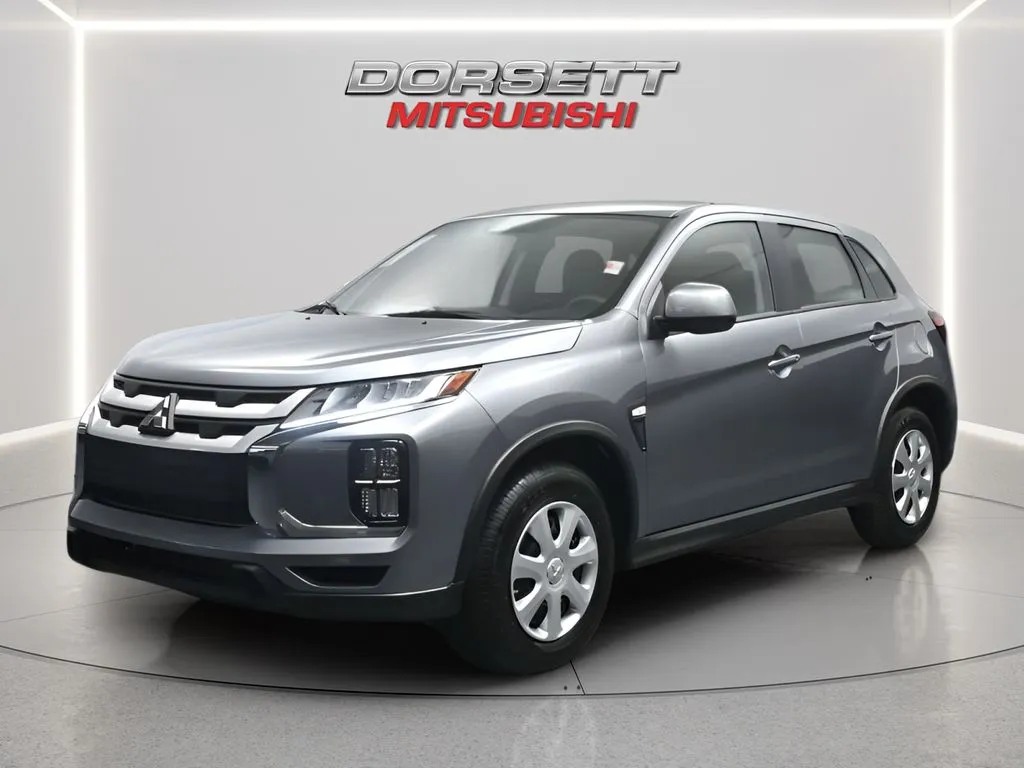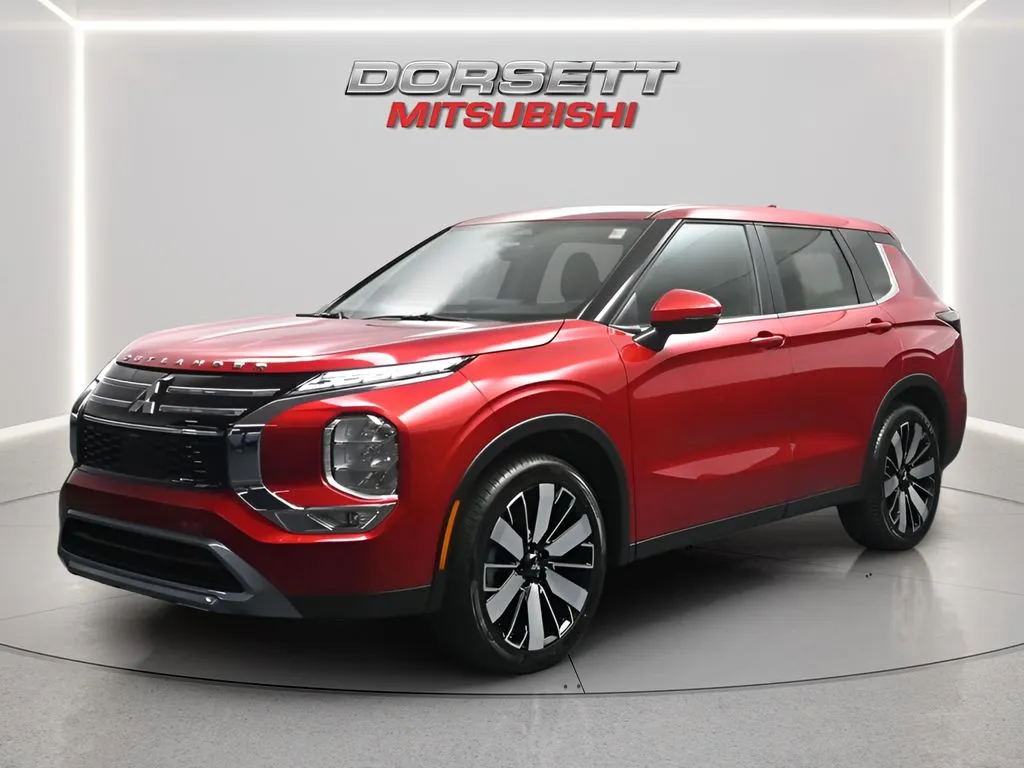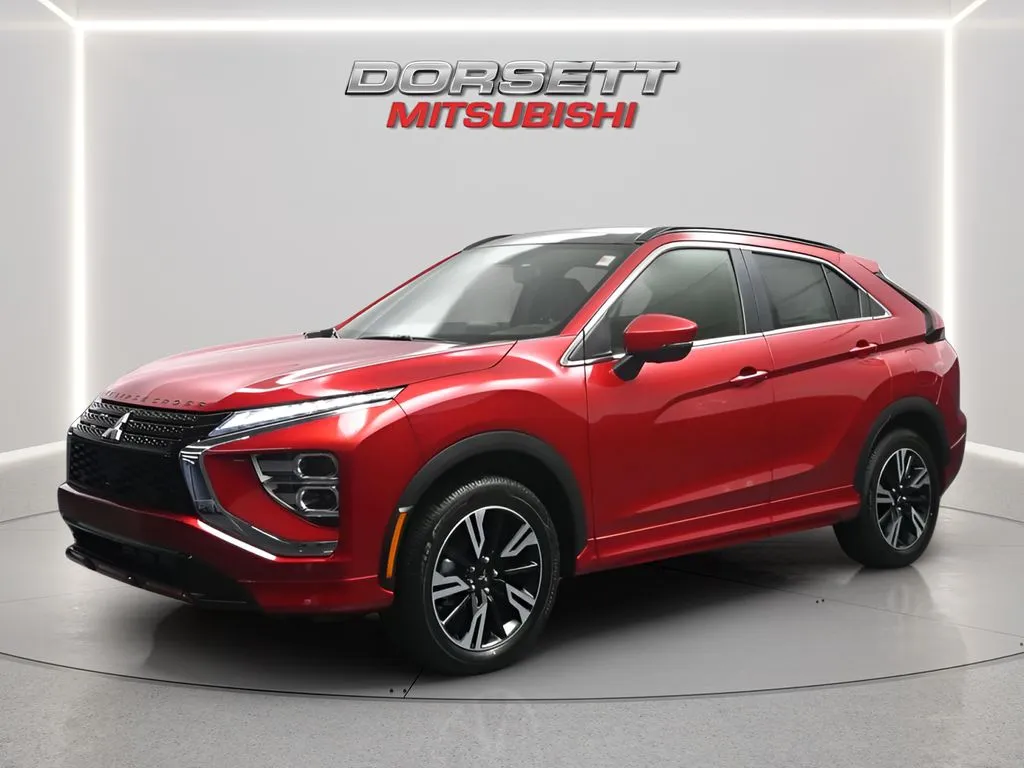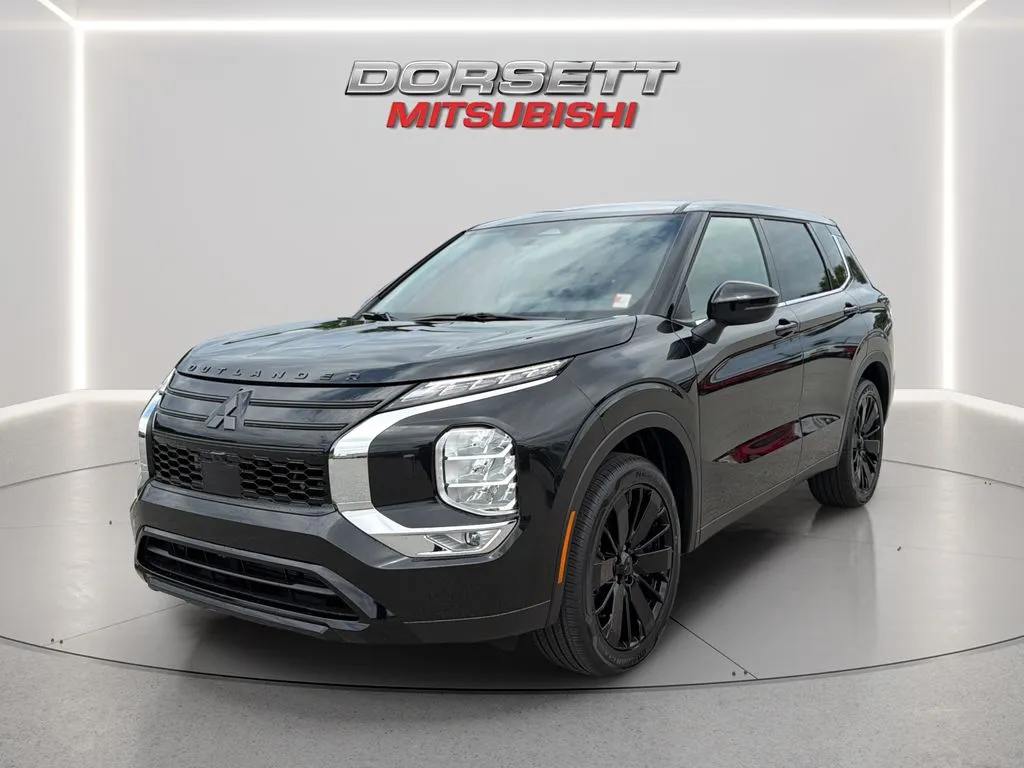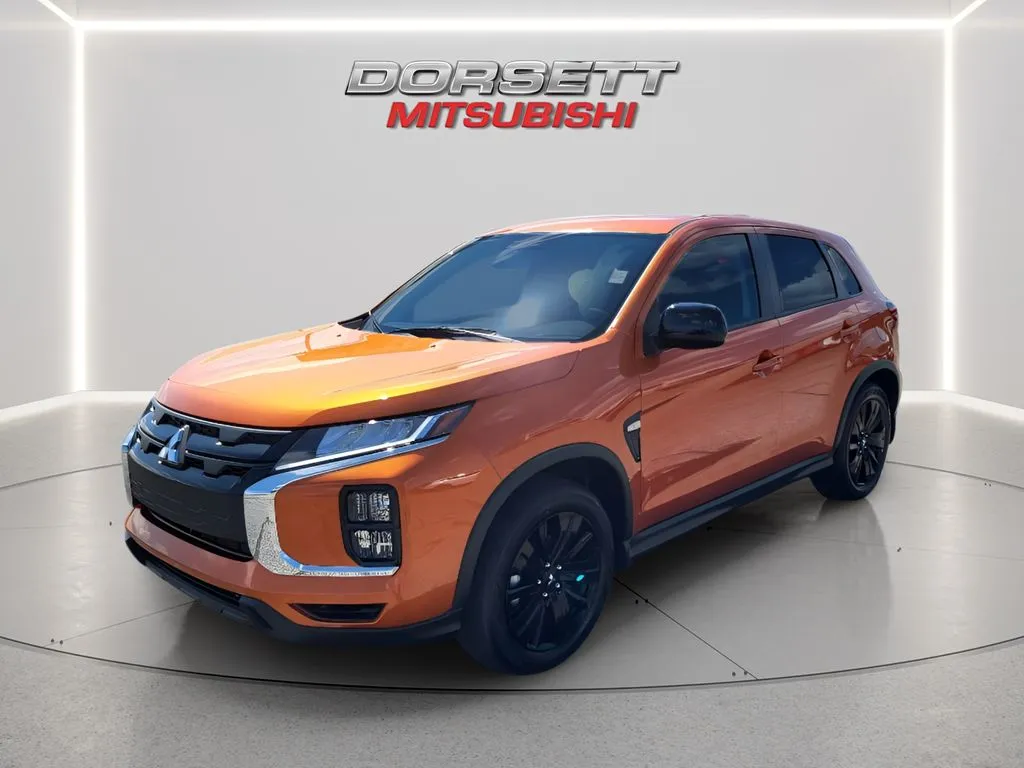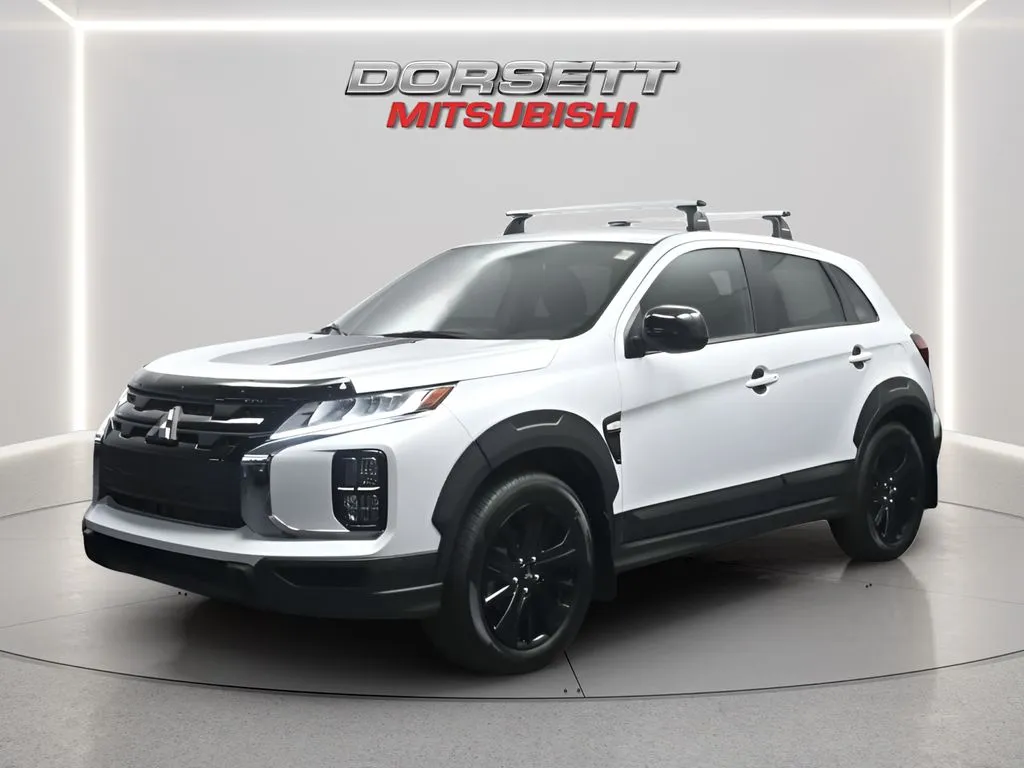
Which AWD feels more confident in daily driving — 2026 Outlander Sport AWC or 2026 Seltos AWD for Indianapolis, IN commutes?
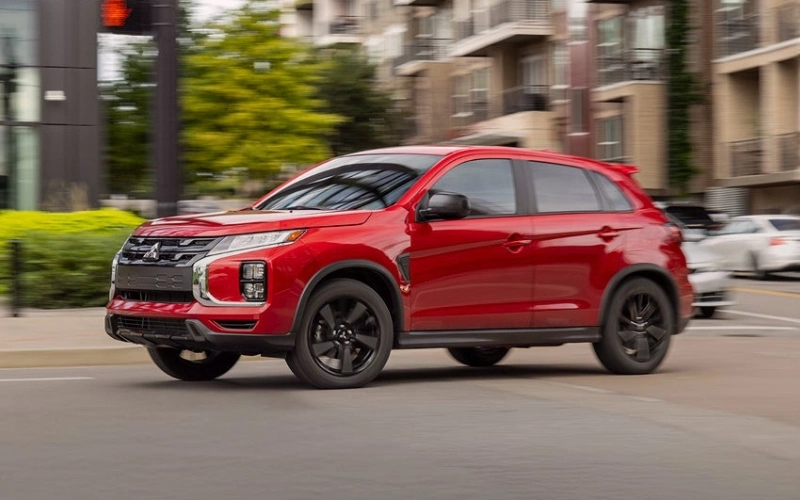
Dorsett Mitsubishi - Which AWD feels more confident in daily driving — 2026 Outlander Sport AWC or 2026 Seltos AWD for Indianapolis, IN commutes?
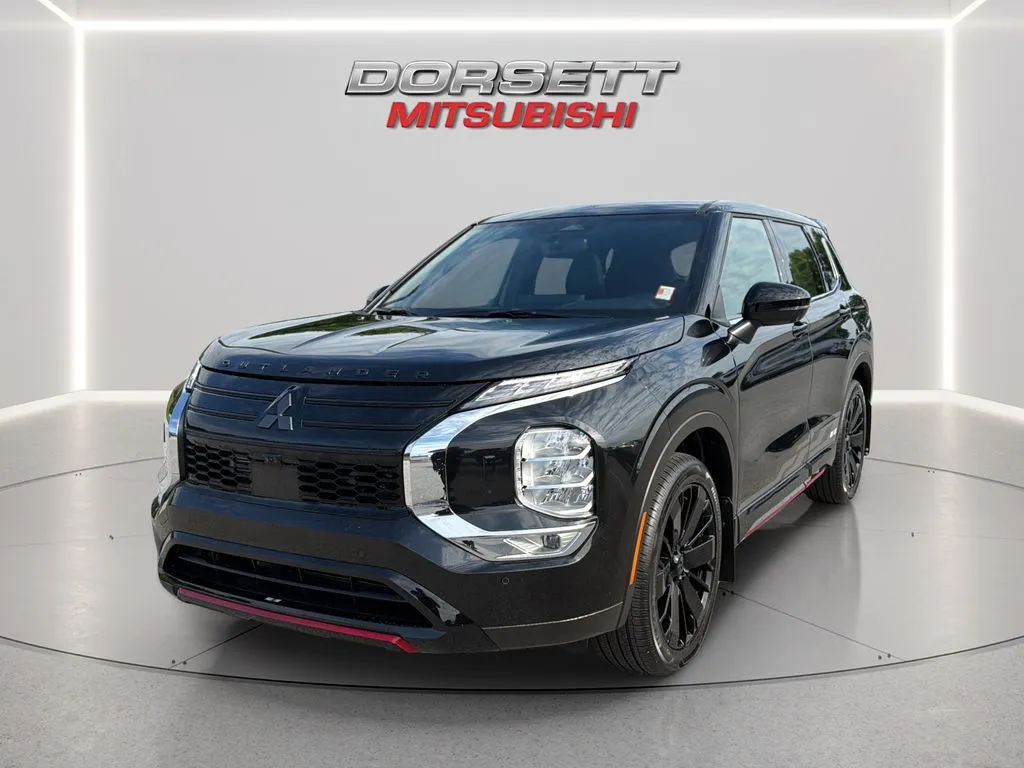
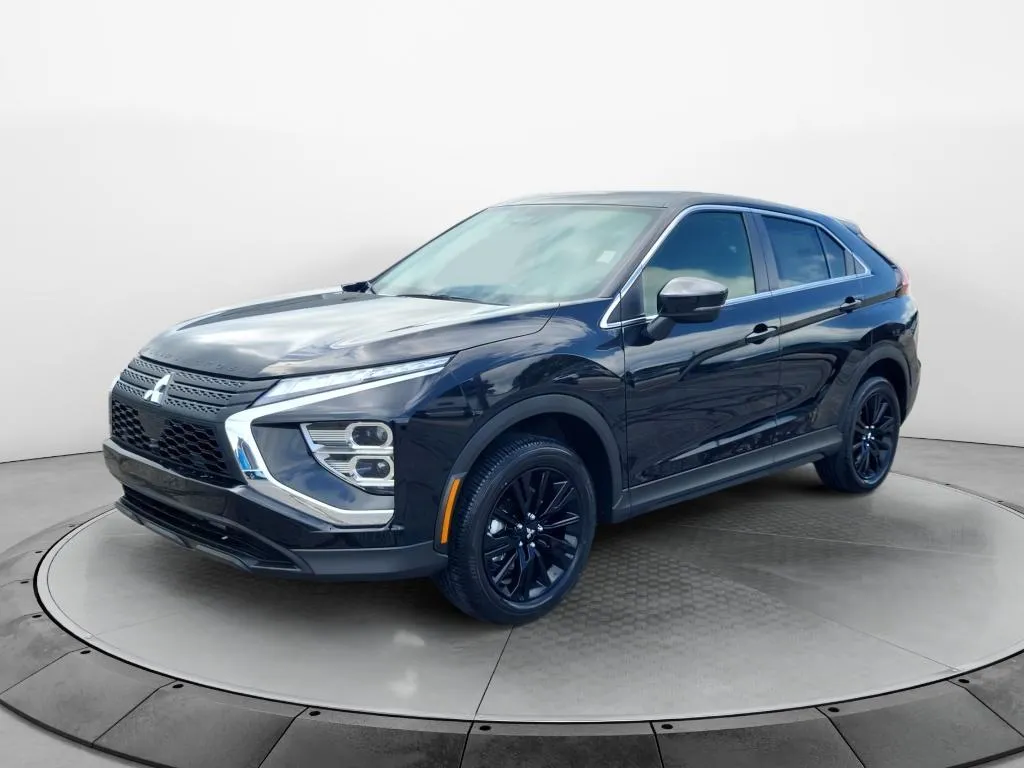
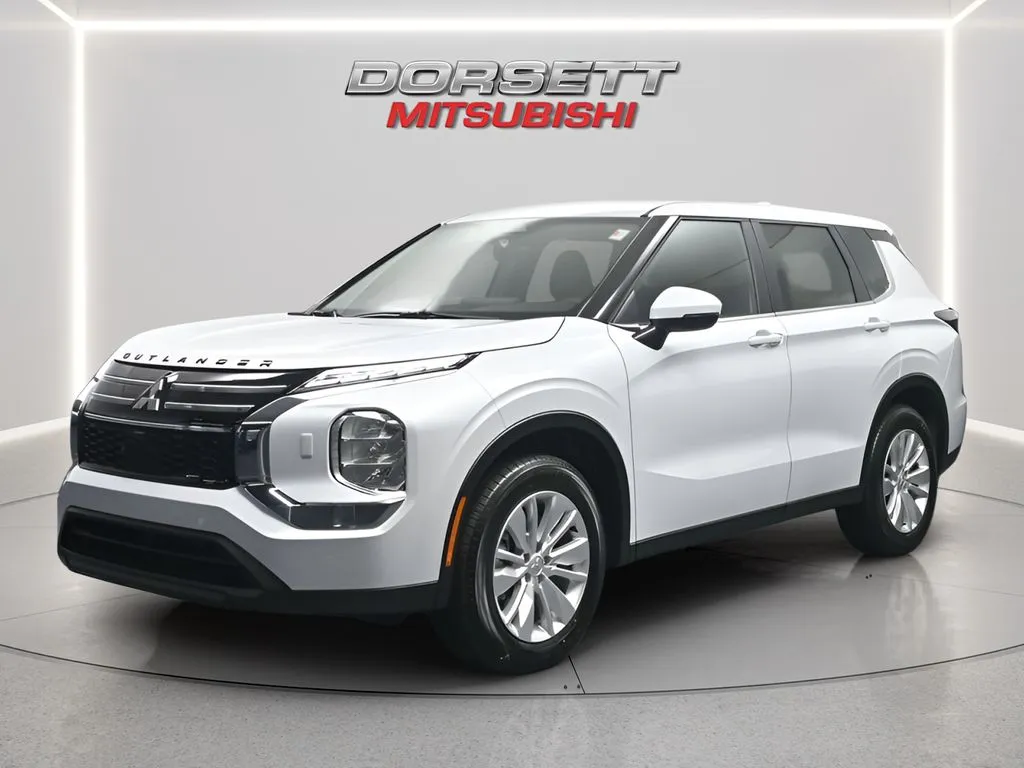
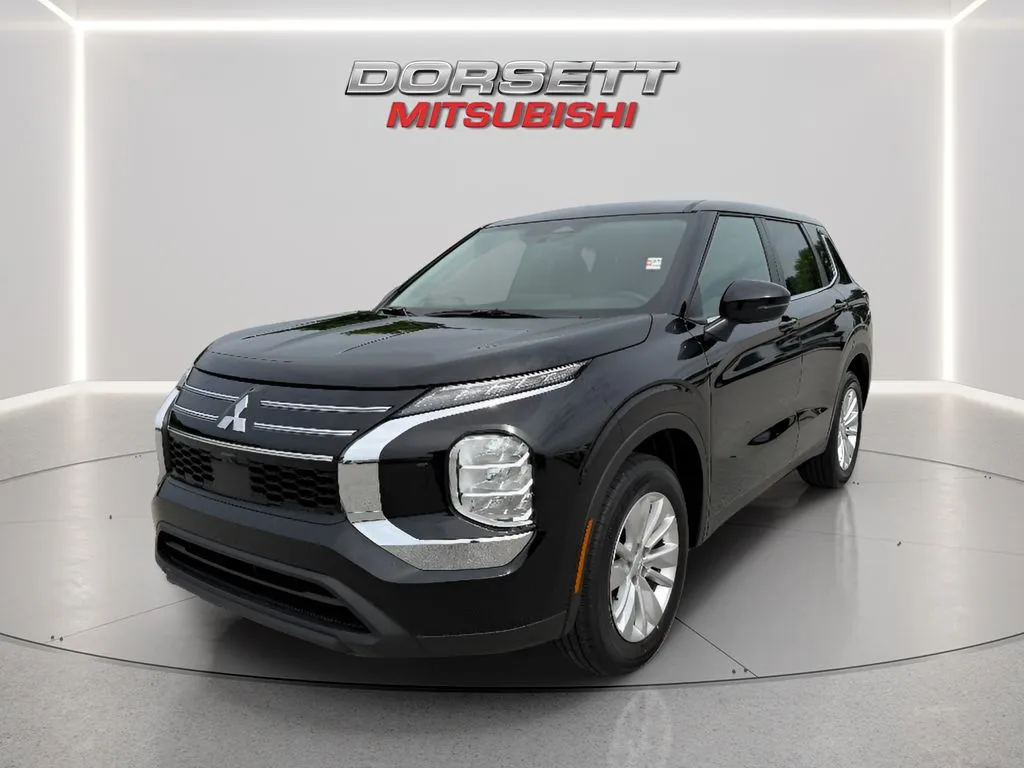
When shoppers ask about real-world traction, the conversation often narrows to which AWD system inspires more day-to-day confidence. Comparing the 2026 Mitsubishi Outlander Sport’s All-Wheel Control and the 2026 Kia Seltos’ available AWD with Lock Mode is a great way to get specific about how these compact SUVs behave on neighborhood streets, arterial roads, and the stretches of I-465 that define many Indianapolis, IN commutes. On paper, both distribute power to help you move out cleanly, stay composed mid-corner, and manage slick patches without drama. In practice, the Mitsubishi system’s tuning and the Outlander Sport’s chassis balance make it feel calm and predictable, while the Seltos counters with a torque-vectoring strategy and a lockable split that is reassuring when you want extra traction at low speed.
Core hardware and tuning
The Outlander Sport’s AWC pairs with a multi-link rear suspension and a Drive Mode Selector, translating driver inputs into smooth, progressive responses. When you accelerate from a stop on paint-striped crosswalks after a rain, the system meters torque with a focus on stability rather than snap. The Seltos’ AWD with Lock Mode brings a similar benefit, letting you even out the front-rear split at the push of a button, which is especially helpful pulling away from angled street parking or making a slow, tight turn out of a sloped driveway.
Ground clearance often gets overlooked in AWD discussions, yet it changes how secure a vehicle feels over patched pavement and during deeper slush or pooled water. With 8.5 inches of ground clearance, the Outlander Sport rides higher than the Seltos. That margin helps you maintain forward progress through rutted alleys, broken shoulders, and unplowed curb lanes without scraping or unsettling the chassis. The Kia’s lower stance is certainly efficient and composed, but if your daily routine includes construction zones or older side streets with uneven crowns, the Mitsubishi’s added clearance contributes to a steadier, more forgiving ride.
Drivability in stop-and-go
Smoothness in traffic is where drivability shines. The Outlander Sport’s 2.0L MIVEC 4-cylinder and refined CVT focus on linear response, which complements AWC’s traction strategy beautifully. Rolling off the throttle in creeping congestion, the vehicle settles without abrupt gear changes, and the chassis feels planted over expansion joints and bridge seams. The Seltos with its 2.0L naturally aspirated engine delivers comparable everyday pace in a conventional manner; the available 1.6L turbo adds brisk torque that some drivers love. Still, the extra surge can catch you out on dusty or oily patches if you are aggressive with the throttle—nothing alarming, but a reminder that a gentler squeeze is best when road conditions vary.
Confidence in corners
Mid-corner poise in compact SUVs hinges on suspension geometry and how seamlessly AWD tidies up slip. The Mitsubishi setup, with its multi-link rear, naturally resists hop and chatter on choppy surfaces, while AWC works almost invisibly to sustain your arc. Kia’s torque-vectoring logic can lightly pivot the Seltos to help you turn in, which feels sporty. Both dynamics are confidence-inspiring; the difference is flavor. If you prefer neutral, almost transparent assistance, the Outlander Sport’s approach will likely suit you. If you like feeling a bit of rotational help at the rear, the Seltos will feel lively without going over the top.
Everyday usability and the traction you feel
Beyond the AWD badge, everyday ease matters. The Outlander Sport standardizes many of the helpful pieces—AWC on every trim, rain-sensing wipers, and LED Low and High Beam Headlights—so the basics are built in no matter which model you choose. The Seltos stacks its nicest hardware and screens further up the trim ladder. That is a fair strategy if you know you want the turbo or dual displays. But if the mission is simply a dependable, no-surprises drive to work, school, and a weekly grocery loop, there is value in the Mitsubishi’s set-and-forget consistency.
Key takeaways
- AWD behavior: Outlander Sport AWC emphasizes calm, predictable traction; Seltos AWD with Lock Mode adds a reassuring 50-50 split at low speeds.
- Ride height advantage: Outlander Sport’s 8.5-inch ground clearance aids confidence on broken pavement, rutted alleys, and pooled water.
- Traffic smoothness: Mitsubishi’s 2.0L MIVEC and CVT tuning prioritize linear response; the Kia’s turbo feels quick but may require a gentler throttle on low-grip surfaces.
Frequently Asked Questions:
Does the Outlander Sport always power all four wheels?
All-Wheel Control is always present, and the system continuously evaluates conditions, distributing torque as needed; you choose drive modes to tailor response.
Can the Seltos keep power split 50-50 for snow or mud?
Yes, the available AWD with Lock Mode lets you select a more even split at the push of a button, which can help you dig out and move cleanly at low speed.
Is ground clearance really noticeable day to day?
Yes. Added clearance reduces scraping on steep approaches and helps maintain composure over patched and uneven surfaces, which is helpful in older neighborhoods and construction zones.
Which feels easier to drive in traffic?
Both handle stop-and-go well, but the Outlander Sport’s smooth CVT and measured throttle map make it particularly calm when speeds yo-yo.
Ultimately, both AWD systems are capable. If you want quietly confident traction with generous ground clearance and a simple, consistent driving feel, the Outlander Sport has the edge. If you crave a sportier vibe with torque-vectoring and an optional turbo, the Seltos is worth a drive. One final note for regional shoppers: Dorsett Mitsubishi, serving Indianapolis, Champaign, and Evansville, can set up back-to-back drive routes that mirror your daily routine so you feel the differences for yourself—because the best system is the one that makes you more confident every day.
Request more 2026 Mitsubishi Outlander Sport information