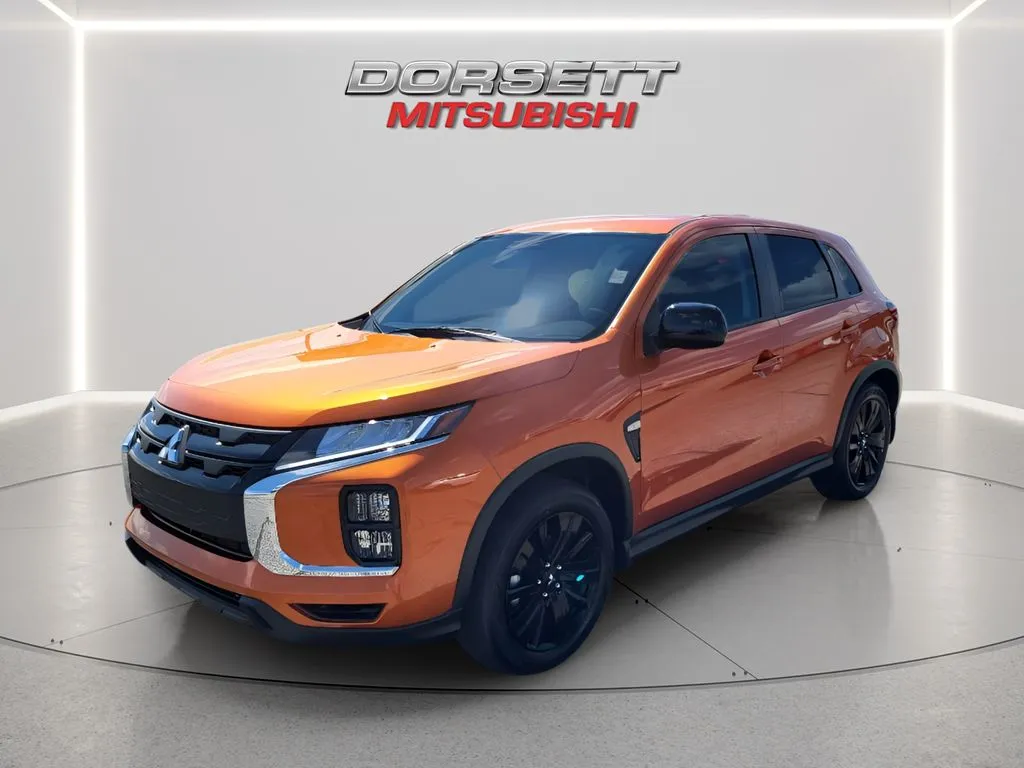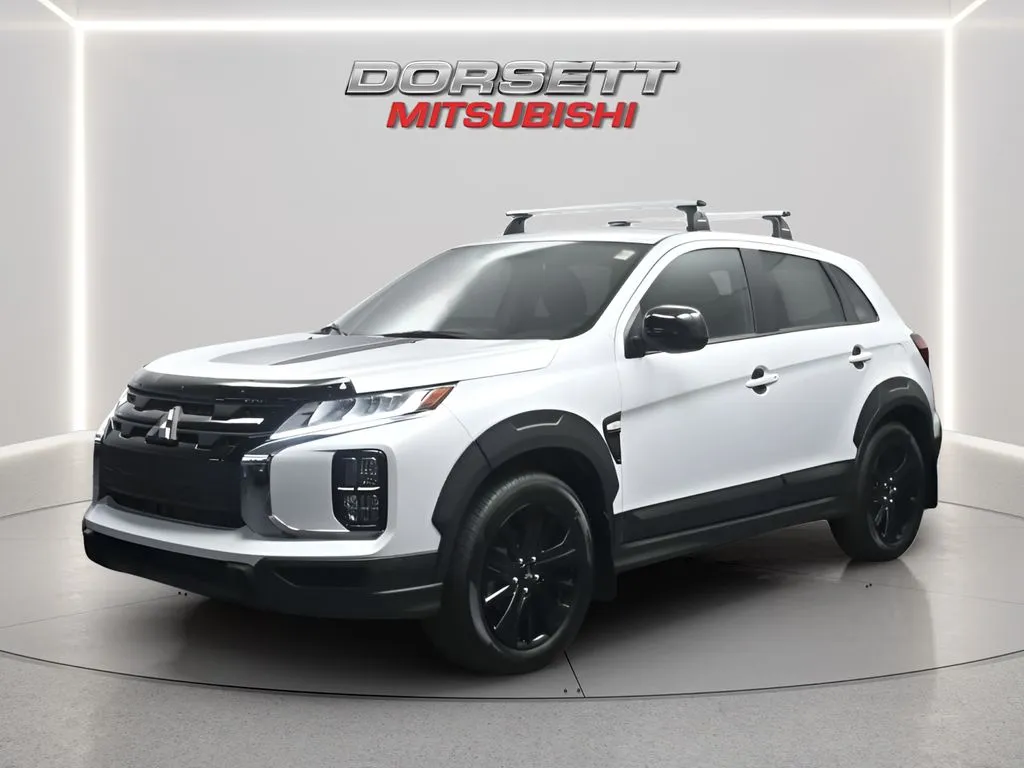
Mitsubishi SUVs vs Hyundai SUVs near Champaign-Urbana, IL — Confident Slushy Starts and Tight-Campus Parking
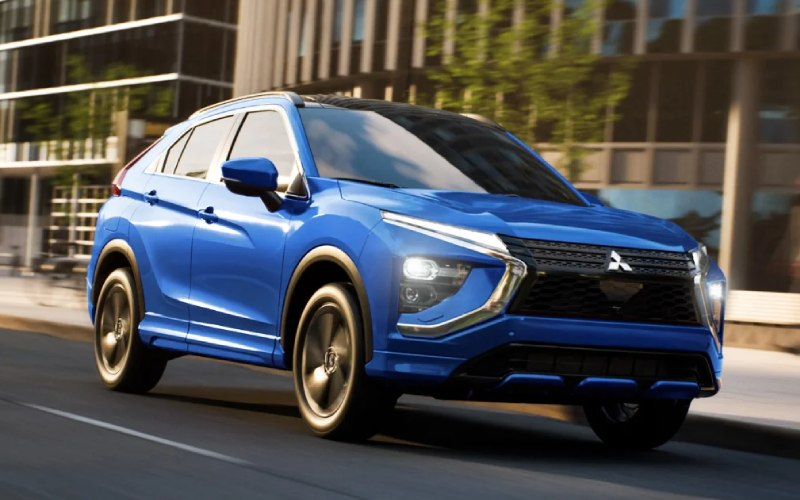
Dorsett Mitsubishi - Mitsubishi SUVs vs Hyundai SUVs near Champaign-Urbana, IL — Confident Slushy Starts and Tight-Campus Parking
Daily driving around Champaign-Urbana asks a lot from a compact or midsize SUV—calm control when Green Street is slick, easy parking by the Quad, and steady confidence when crosswinds whip across I-57 and I-74. As shoppers compare Mitsubishi and Hyundai SUVs, the right choice often comes down to real-world control in messy Midwest conditions and stress-free maneuverability in a busy college town. At Dorsett Mitsubishi, we focus on how each brand handles those moments—especially slushy starts at unplowed intersections and tight parking near campus—so you can feel confident every mile.
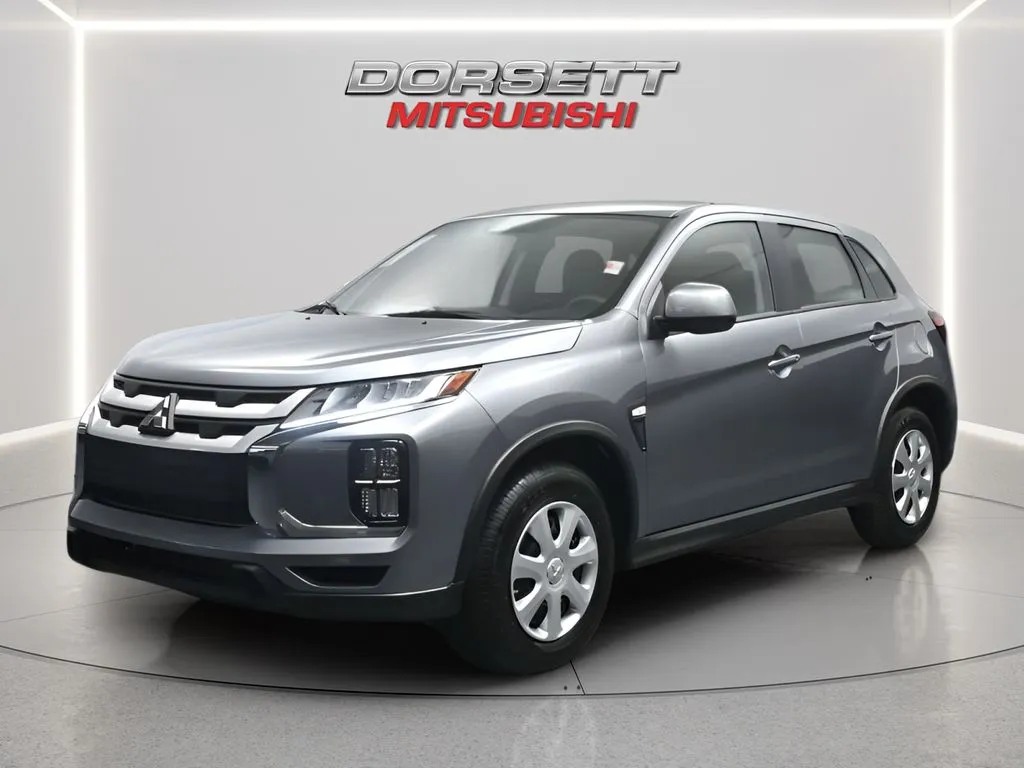
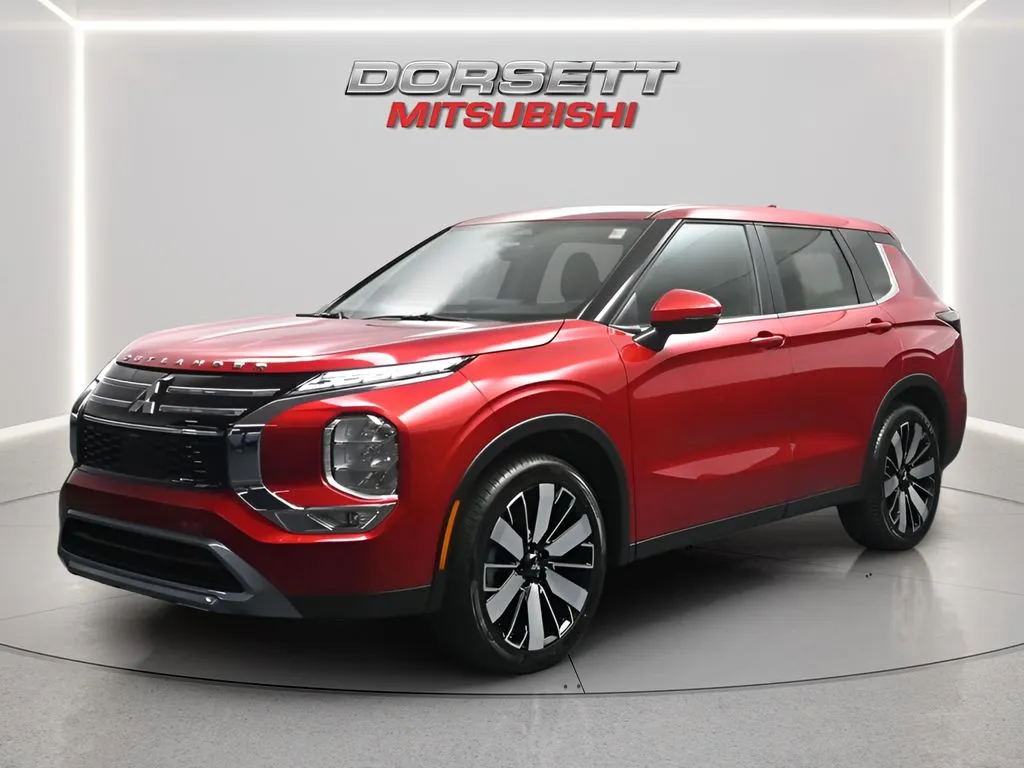
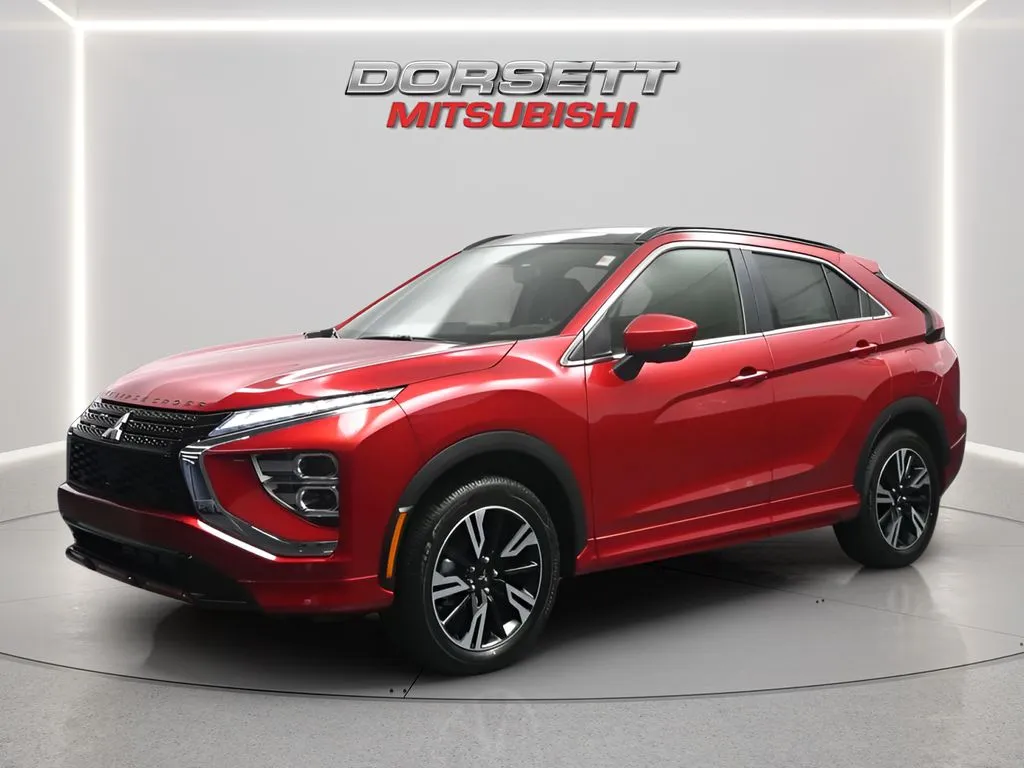
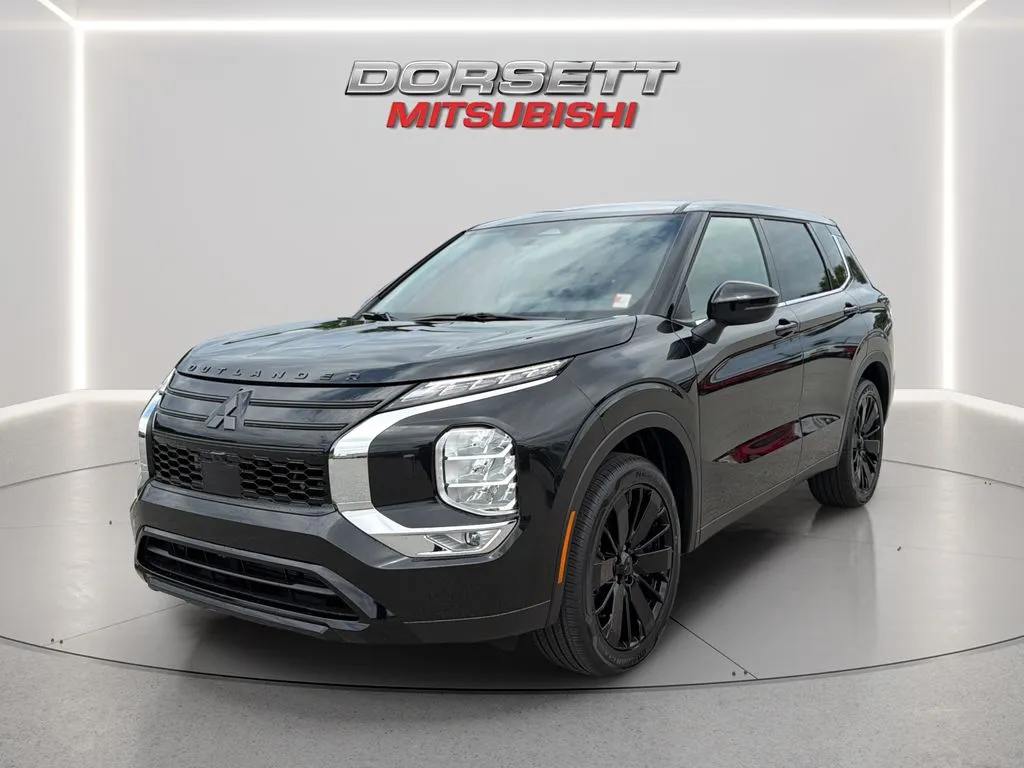
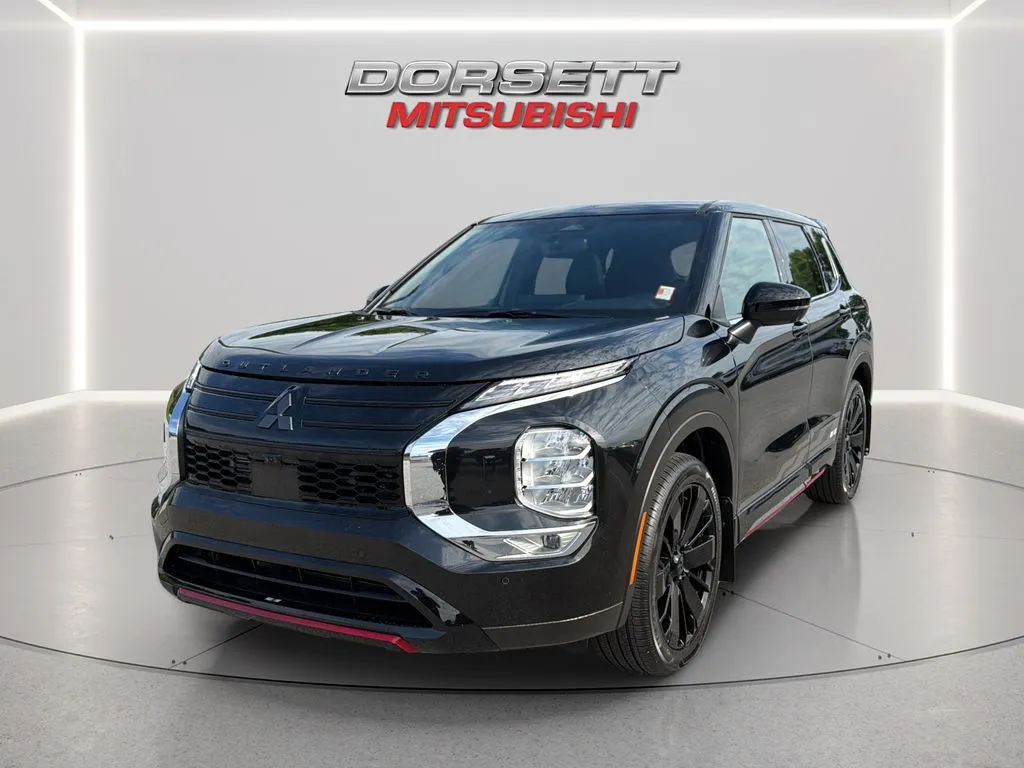
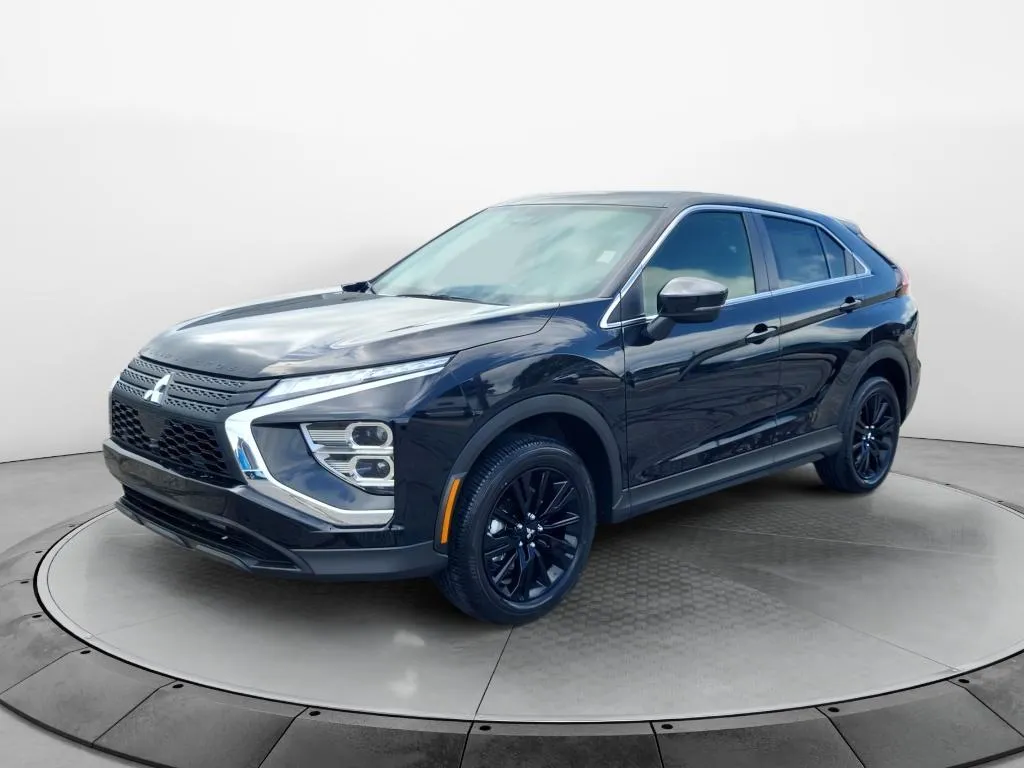
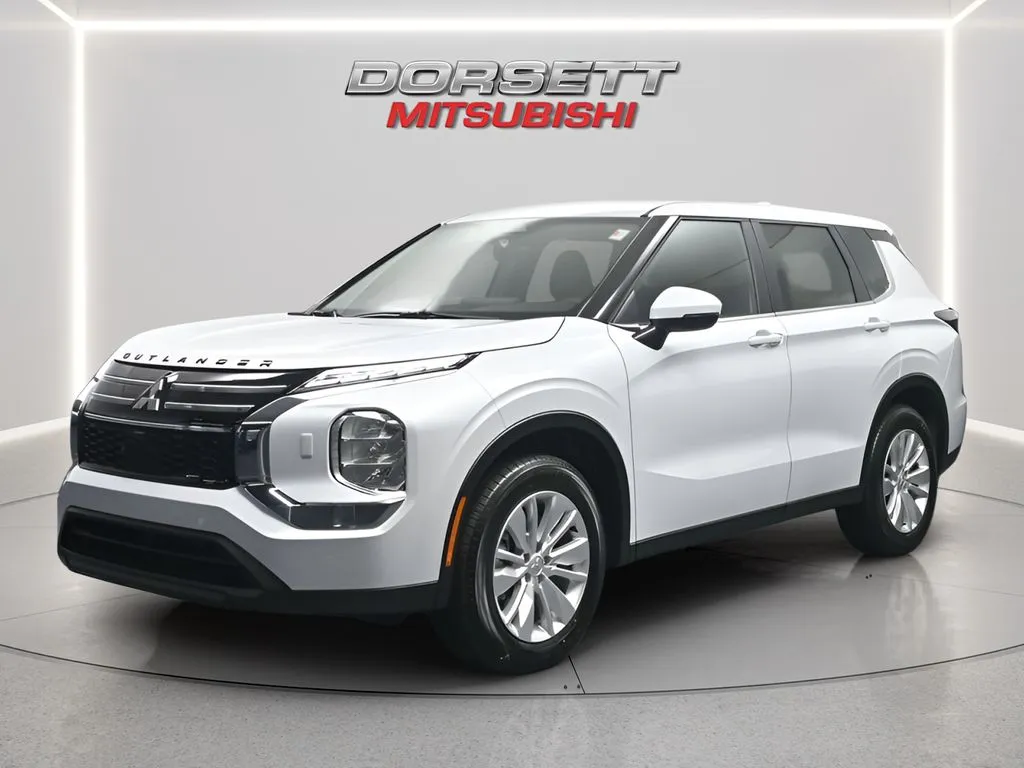
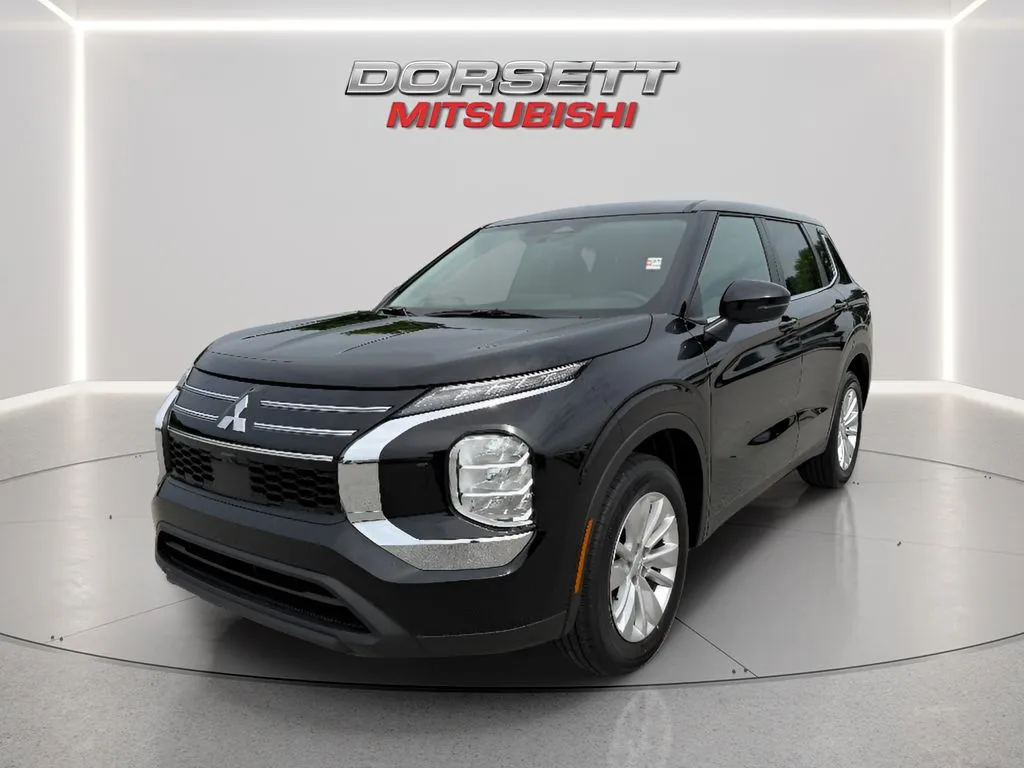
Across Mitsubishi’s SUV lineup—Outlander, Eclipse Cross, and Outlander Sport—engineering emphasizes sure-footed traction, simple-to-use drive modes, and visibility that reduces stress in crowded lots. Hyundai’s Tucson, Santa Fe, and Kona counter with refined ride quality and Hyundai SmartSense safety technology. Both brands deliver modern driver assistance and available all-wheel drive. The key difference we see, especially in winter, is how predictably Mitsubishi’s Super All-Wheel Control (S-AWC) and All-Wheel Control (AWC) technologies help you pull away from a slick stop, keep you composed through rutted snow, and thread into tight spaces without a second thought.
Let’s break down what matters most around Champaign-Urbana—where campus traffic, county roads, and quick-shifting Midwestern weather all meet—and how Mitsubishi and Hyundai approach these everyday scenarios.
First, consider traction where you need it most: those slushy, salt-streaked intersections by Neil Street or Kirby Avenue after a late snow. Mitsubishi’s S-AWC, available on models like Outlander and Eclipse Cross, continuously balances torque front-to-rear and side-to-side while coordinating with traction and stability controls. Dedicated modes such as Snow and Gravel tailor the system to low-grip starts and uneven surfaces. Hyundai’s HTRAC AWD also adds traction and offers Snow mode on many models, but Mitsubishi’s integrated approach—blending yaw control, braking, and torque distribution—emphasizes stability at turn-in and pull-away, helping the vehicle track straight and build momentum smoothly when it is most nerve-wracking.
- Slushy starts: Mitsubishi S-AWC or AWC provides dedicated Snow mode logic that manages wheelspin early, helping you pull confidently through plow berms and packed ruts; Hyundai HTRAC AWD is effective with Snow mode too, but Mitsubishi’s fine-grain tuning across modes stands out in mixed traction.
- Gusty interstates: On I-57 and I-74, S-AWC’s stability support and precise steering feedback help the SUV feel settled in steady crosswinds; Hyundai’s chassis tuning is calm as well, but Mitsubishi’s torque management can add an extra layer of composure in abrupt gusts.
- Uneven shoulders: When you edge onto gravel along county roads outside Urbana, Mitsubishi Gravel mode helps the tires find bite without abrupt power cuts; Hyundai’s AWD logic responds too, though Mitsubishi’s approach prioritizes consistent forward motion over aggressive intervention.
- Snow-covered turns: Mitsubishi’s coordinated yaw control helps the vehicle pivot predictably at low speeds without taxing the driver; Hyundai’s stability systems are reassuring, while Mitsubishi keeps the feel natural and confidence-inspiring.
Next comes city maneuverability—because finding a spot near the State Farm Center or easing into garage ramps off John Street can be its own winter sport. Mitsubishi SUVs prioritize visibility, steering feel, and helpful camera tech. Many trims offer a Multi-View Camera System for an overhead perspective when snowbanks crowd the curb. Hyundai’s Surround View Monitor is competitive, yet we appreciate how Mitsubishi’s steering weight and turning response make quick, precise corrections feel intuitive in close quarters. Outlander’s cabin also emphasizes clear sightlines, and Eclipse Cross’s tidy footprint makes parallel parking near Campustown refreshingly straightforward.
- Tight lots: Mitsubishi’s steering and available Multi-View Camera System make short work of angled and parallel spots when snow shrinks the curb-to-curb room; Hyundai’s camera system is excellent too, but Mitsubishi’s steering feedback shines.
- Garage ramps: Smooth low-speed throttle response in Mitsubishi SUVs helps manage traction on slick, steep entries; Hyundai tuning is refined, though Mitsubishi keeps inputs especially gentle in winter conditions.
- Curb visibility: Mitsubishi’s hood and mirror design provide an easy read of corners near snowbanks; Hyundai visibility is solid, but Mitsubishi makes spotting edges feel second nature.
Highway serenity also matters on those weekly drives between Champaign-Urbana and Terre Haute. Mitsubishi designs cabins to stay hushed at speed, with supportive seating and technology that reduces mental load. MI-PILOT Assist™—available on Outlander—brings adaptive cruise control with steering assistance to help with lane centering and stop-and-go convenience on I-74 construction stretches. Hyundai’s Highway Driving Assist offers a similar feature set on select models. In practice, both help you arrive fresher, yet Mitsubishi’s clear interface and straightforward activation earn praise from drivers who want assistance that is easy to trust and simple to use.
Champaign County’s freeze-thaw cycle also tests ride quality. Mitsubishi suspensions are tuned for control and composure over broken pavement, helping the vehicle stay planted when frost heaves and patched asphalt conspire to unsettle your line. Hyundai counters with excellent overall refinement, particularly in Santa Fe and Tucson. The difference often comes down to driver preference: Mitsubishi leans into confident, connected control; Hyundai leans into plush smoothness. Around here—where snow hides imperfections and quick reactions matter—many shoppers find Mitsubishi’s composed feel more reassuring.
Technology and safety systems round out the comparison. Both brands offer modern smartphone connectivity and driver assistance features. Mitsubishi makes Forward Collision Mitigation with Pedestrian Detection broadly available across the lineup, and Blind Spot Warning with Lane Change Assist supports lane changes on wet, gritty highways when spray reduces visibility. Hyundai SmartSense is comprehensive as well. Where Mitsubishi edges ahead for many of our guests is the cohesive feel of the entire system—traction, steering, braking, and assists—working together to keep the vehicle settled before a correction becomes urgent.
Ownership confidence is another differentiator. Mitsubishi vehicles come with a robust manufacturer warranty, and our dealership adds even more peace of mind. On qualifying new vehicles, we include a 10-Year / 150,000-Mile Limited Powertrain Warranty at no extra cost to you. On qualifying pre-owned vehicles, we include a 5-Year / 150,000-Mile Limited Powertrain Warranty. That additional coverage pairs well with routines in our region—school-year commuting, weekend trips to Lake of the Woods Forest Preserve, and winter holiday drives—because real confidence does not stop at the parking lot. See us for details and exclusions on our limited warranties.
If you want electric flexibility for in-town errands and full-road capability for winter, Mitsubishi also offers the Outlander Plug-in Hybrid. It blends EV driving for short commutes with the all-weather confidence and long-range convenience Midwest drivers expect. While Hyundai provides several hybrid and plug-in options, Mitsubishi’s decades of 4x4 expertise shine through in how the plug-in system integrates with S-AWC for year-round traction.
When you shop with us, you get more than a test drive. Our team listens to how and where you drive—whether your day includes a snowy school drop-off near Urbana High, a quick Costco run on North Prospect, or a weekend run down I-74 to visit family. We help you map features to your routine so your SUV feels natural from day one, not after weeks of adjustment.
- Test traction in real conditions. We encourage test drives after a snowfall or rain to feel S-AWC or AWC engage from a dead stop and through a turn.
- Try the parking tech. Toggle the Multi-View Camera System in a tight spot and feel how steering and throttle respond in close quarters.
- Experience driver assists. Activate MI-PILOT Assist™ on a highway loop to see how calmly the system supports you in traffic.
In short, both Mitsubishi and Hyundai build capable, well-equipped SUVs. For Champaign-Urbana life—where winter slush, gusty interstates, and campus-congested parking are everyday realities—Mitsubishi’s traction tuning, intuitive maneuverability, and cohesive driver-assistance feel create a calm, confident drive. Add our long-term limited powertrain warranty coverage on qualifying vehicles and dedicated service support, and you have everyday assurance that goes beyond spec sheets.
Ready to feel the difference? Visit us at Dorsett Mitsubishi in Terre Haute—right down I-74—and let our team help you compare Mitsubishi and Hyundai SUVs back-to-back on the roads you actually drive.
Frequently Asked Questions:
How does Mitsubishi S-AWC differ from Hyundai HTRAC AWD in winter?
S-AWC integrates torque distribution with yaw control, braking, and stability systems, with modes like Snow and Gravel that manage wheelspin and cornering balance from the first tire rotation. Hyundai’s HTRAC AWD with Snow mode is effective, yet Mitsubishi prioritizes early, fine-grain intervention that helps you pull away and turn predictably in slush and packed snow.
Which Mitsubishi SUVs offer the most flexible seating for families near Champaign-Urbana?
Mitsubishi Outlander offers available three-row seating for up to seven, making it a smart fit for daily school runs, carpool duty, and weekend trips. Eclipse Cross and Outlander Sport seat five and emphasize easy maneuverability in campus-area traffic and parking.
Can I use MI-PILOT Assist™ in stop-and-go traffic on I-74?
Yes, when properly equipped, MI-PILOT Assist™ can support adaptive cruise control with lane centering and stop-and-go convenience on highways. Always remain attentive and ready to take control; the system is an assist, not a substitute for safe driving.
I live in Champaign-Urbana—can I still service my Mitsubishi with your team?
Absolutely. Our Service Center is a straight shot along I-74, and our factory-trained technicians use genuine Mitsubishi parts. We help coordinate appointments that fit your schedule, and we can review maintenance plans that support your commute.
Do your limited powertrain warranties apply to vehicles I buy from you even if I’m an Illinois resident?
Yes—on qualifying new and pre-owned vehicles purchased from us, our 10-Year / 150,000-Mile (new) or 5-Year / 150,000-Mile (pre-owned) Limited Powertrain Warranty is included at no extra cost. Some restrictions apply and the coverage is not transferable; please see us for a copy of the actual warranty and full details.
Request more information