Is Super-All Wheel Control worth it for Indianapolis, IN drivers?
Dorsett Mitsubishi - Is Super-All Wheel Control worth it for Indianapolis, IN drivers?
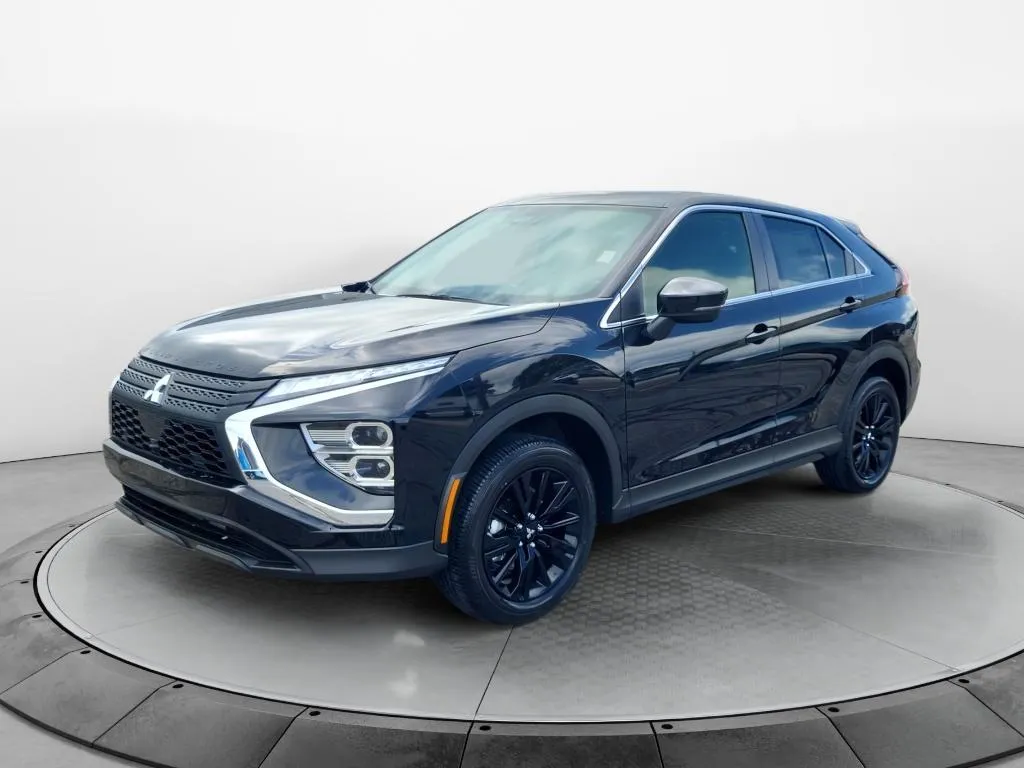
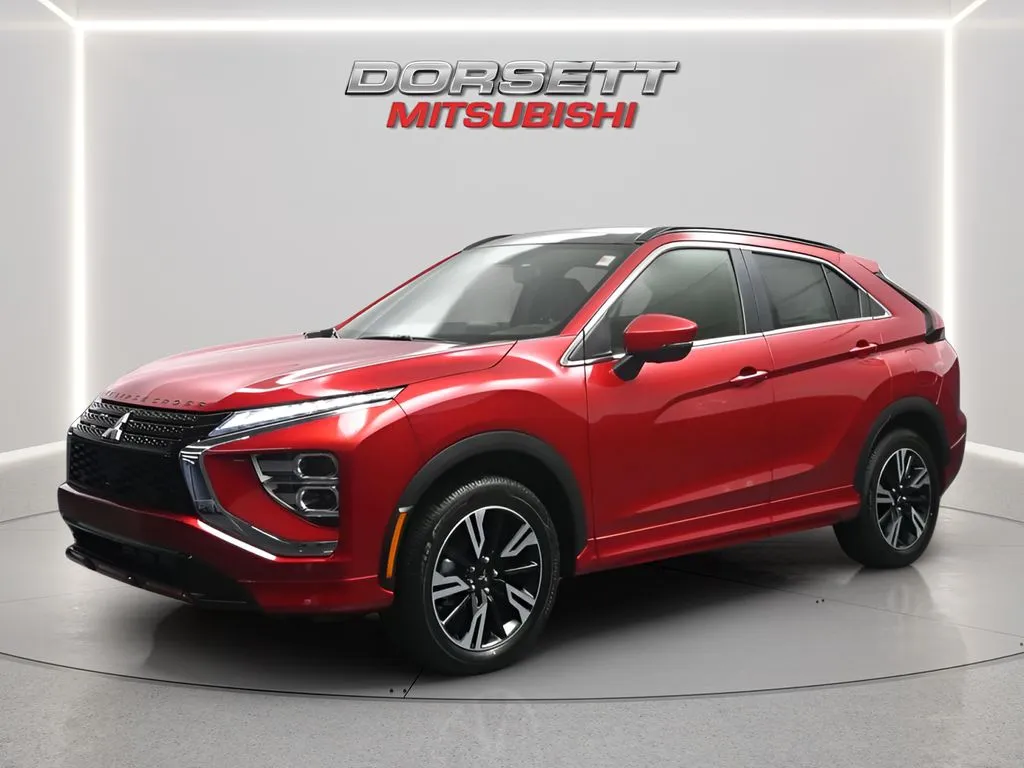
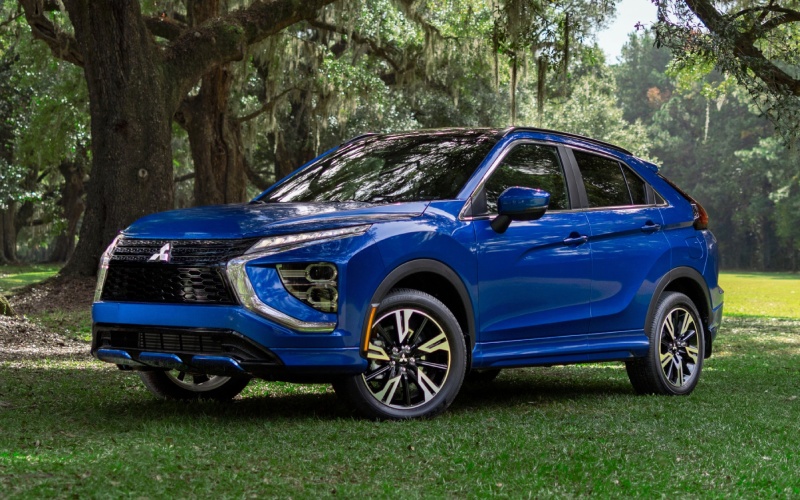
Super-All Wheel Control (S-AWC) can be a meaningful advantage for shoppers who want a compact SUV that feels confident, stable, and easy to manage in everyday driving. For Indianapolis, IN drivers comparing compact SUVs, the question is not only whether all-wheel drive is useful. The better question is whether the system adds real value during commutes, lane changes, parking-lot exits, highway ramps, and mixed city-to-suburban routines. In the Eclipse Cross, S-AWC is standard, which gives this Mitsubishi crossover a clear point of difference for shoppers who do not want to treat all-wheel-drive confidence as an upgrade.
The Eclipse Cross is designed around the idea that “Outstanding Comes Standard,” and S-AWC is central to that message. Mitsubishi describes the system under “More Grip. More Go.” because it is engineered to support handling and stability at every turn. That matters in a metro area where driving can shift quickly from neighborhood streets to I-465, from downtown traffic to open stretches, and from tight parking areas to faster merge lanes. Drivers do not need a rugged off-road SUV to appreciate added control. Many simply want a vehicle that feels composed and predictable during daily travel.
What does Super-All Wheel Control do?
Super-All Wheel Control (S-AWC) is Mitsubishi’s advanced all-wheel-control system. In the Eclipse Cross, it helps manage traction and stability so the vehicle can respond with more confidence during acceleration, turning, and changing road surfaces. A traditional all-wheel-drive system may focus mainly on sending power to different wheels. S-AWC is designed with a broader approach to vehicle control, helping the SUV feel balanced and secure in the moments that matter most to drivers.
For shoppers, the key benefit is simple: S-AWC works in the background. You do not need to be an automotive engineer to feel the difference. When turning through a ramp, pulling away from a stop, or navigating uneven pavement, the Eclipse Cross is built to provide a more settled driving experience. That can make daily driving feel less tiring, especially for commuters who spend a lot of time moving between city streets, business districts, and surrounding communities.
Why it matters around Indianapolis
Indianapolis-area driving often includes a wide variety of road types in a single day. A driver might start on residential streets, move through heavy traffic near major employment areas, merge onto the interstate, then finish with a stop at a crowded shopping center or school lot. A compact SUV with standard S-AWC gives drivers added confidence through those transitions without requiring a larger vehicle.
Here are a few everyday situations where S-AWC can make the Eclipse Cross feel especially reassuring:
- Highway ramps: Added stability support can help the SUV feel more composed when entering or exiting faster-moving traffic.
- Busy intersections: Traction management can be helpful when pulling away from a stop on uneven or changing pavement.
- Parking lots: Predictable low-speed control supports easier maneuvering in crowded retail, office, or campus areas.
- Suburban routes: The system helps maintain a confident feel when roads shift from wide boulevards to narrower neighborhood streets.
- Longer regional drives: Standard all-wheel-control confidence can be valuable for drivers who regularly travel beyond the city.
That list shows why S-AWC should not be viewed only as a feature for difficult conditions. It is also about everyday smoothness. Many compact SUV buyers want a vehicle that feels calm and controlled during normal routines, and that is exactly where the Eclipse Cross makes a practical case for itself.
How S-AWC fits the Eclipse Cross personality
The Eclipse Cross is not trying to be oversized or complicated. It is a compact SUV with seating for five, a comfortable cabin, distinctive styling, and a trim lineup that lets shoppers choose the right balance of convenience and refinement. Standard S-AWC fits that formula because it improves confidence without taking away from the vehicle’s easy-to-drive nature.
The rest of the vehicle supports that same everyday focus. Depending on trim, shoppers can find features such as FAST-Key Entry System, Push Button Start, LED Headlights, Power Folding Side Mirrors, Rear USB Port, Synthetic Suede Seating Surfaces, Leather Appointed Seating Surfaces, Heated Steering Wheel, Handsfree Power Tailgate, and Multi-View Camera System. Safety and awareness features also play an important role, including Forward Collision Mitigation (FCM) with Pedestrian Detection, Lane Departure Warning (LDW), Blind Spot Warning (BSW) with Lane Change Assist (LCA), and Rear Cross Traffic Alert (RCTA) on select trims.
For many shoppers, S-AWC becomes even more appealing when viewed as part of the whole package. A vehicle with confident traction, helpful safety technology, a manageable size, and strong warranty support can be easier to justify than one that focuses only on style or only on utility.
Which shoppers should prioritize S-AWC?
S-AWC is worth special attention if your next SUV needs to feel secure across many different driving environments. That includes commuters, small families, students, professionals, and active drivers who want a vehicle that can handle routine travel without feeling bulky. It is also a smart feature for shoppers who plan to keep a vehicle for several years, because driving needs can change over time.
Consider prioritizing S-AWC if any of the following describe your routine:
- You commute often: Daily highway and city driving rewards a vehicle that feels stable and predictable.
- You value confidence over size: A compact SUV with standard S-AWC can feel secure without moving into a larger segment.
- You share the vehicle: A system that works naturally in the background can benefit multiple drivers with different comfort levels.
- You travel regionally: Trips outside the metro area are easier to enjoy when the vehicle feels composed on varied roads.
- You compare long-term value: Standard capability plus Mitsubishi Motors Confidence can support a stronger ownership decision.
Before choosing a trim, it helps to decide which convenience and comfort features matter most. ES S-AWC gives shoppers standard all-wheel-control confidence and important safety basics. SE S-AWC and SE Pano S-AWC add more convenience and technology. BLACK EDITION S-AWC brings unique style details such as Black Door Handle Trim, Black Roof Rails, Hood Badge, Rear Bumper Step Protector, and Sport Pedals. SEL S-AWC and SEL TOURING S-AWC add premium touches such as Leather Appointed Seating Surfaces, Heated Steering Wheel, Paddle Shifters, and Multi-View Camera System.
How to evaluate S-AWC on a test drive
A test drive is the best way to understand whether S-AWC fits your expectations. Do more than circle the block. Ask for a route that includes low-speed turns, a straight road, a few lane changes, and a place to park. Notice how the Eclipse Cross feels when accelerating from a stop, turning through an intersection, and settling into traffic. The value of S-AWC often shows up as a general feeling of composure rather than a dramatic moment.
- Start slowly: Feel the steering, brake response, and low-speed control in a parking area.
- Take normal turns: Pay attention to how settled the SUV feels through corners and intersections.
- Merge when possible: Evaluate acceleration, cabin quietness, and overall confidence at higher speeds.
- Try parking maneuvers: If equipped, use the Multi-View Camera System to judge visibility and precision.
- Compare trims: Drive more than one version to understand how seating, technology, and convenience features change the experience.
Dorsett Mitsubishi can help shoppers compare Eclipse Cross trims and understand how S-AWC works alongside the vehicle’s safety, comfort, and technology features. Our team is serving Indianapolis, Champaign, and Evansville shoppers who want clear information before making a confident SUV decision.
Frequently Asked Questions:
Is Super-All Wheel Control standard on the Eclipse Cross?
Yes. Super-All Wheel Control (S-AWC) is standard across the Eclipse Cross trim lineup, which means shoppers can get all-wheel-control confidence without needing to select a higher trim solely for that capability.
Does S-AWC make the Eclipse Cross harder to drive?
No. S-AWC is designed to work naturally in the background. The driver simply operates the vehicle as usual while the system supports traction, handling, and stability.
Is S-AWC only useful outside the city?
No. While S-AWC can help on regional drives and changing road surfaces, it is also useful in city and suburban routines where drivers encounter intersections, ramps, parking lots, and varied pavement.
Which Eclipse Cross trim is best for shoppers who want S-AWC and comfort?
Every trim includes S-AWC, so the best choice depends on comfort and technology priorities. SE S-AWC adds features such as FAST-Key Entry System, LED Headlights, Rear USB Port, and Synthetic Suede Seating Surfaces, while SEL models add premium touches such as Leather Appointed Seating Surfaces and Multi-View Camera System.
For Indianapolis, IN drivers, Super-All Wheel Control is worth serious consideration because it supports the kind of everyday confidence that compact SUV shoppers often want most. The Eclipse Cross combines that standard capability with a comfortable cabin, distinctive design, useful safety features, and strong ownership support. If your next SUV needs to feel easy around town and composed beyond it, S-AWC is one of the best reasons to put the Eclipse Cross on your test-drive list.
Request more 2026 Mitsubishi Eclipse Cross information