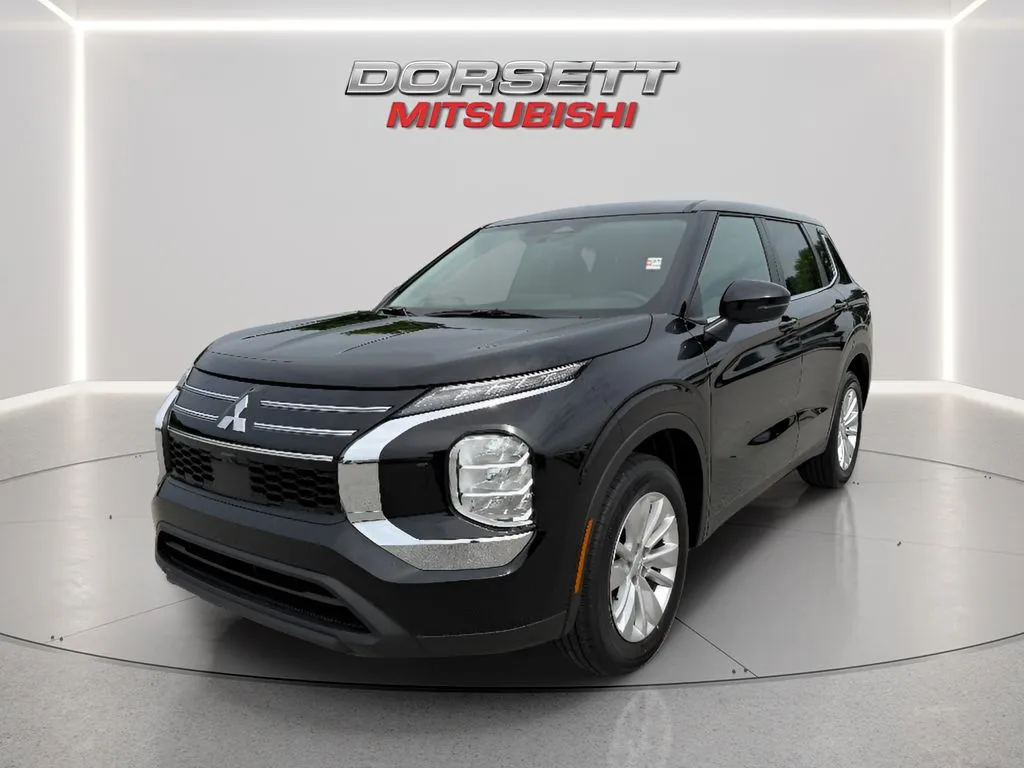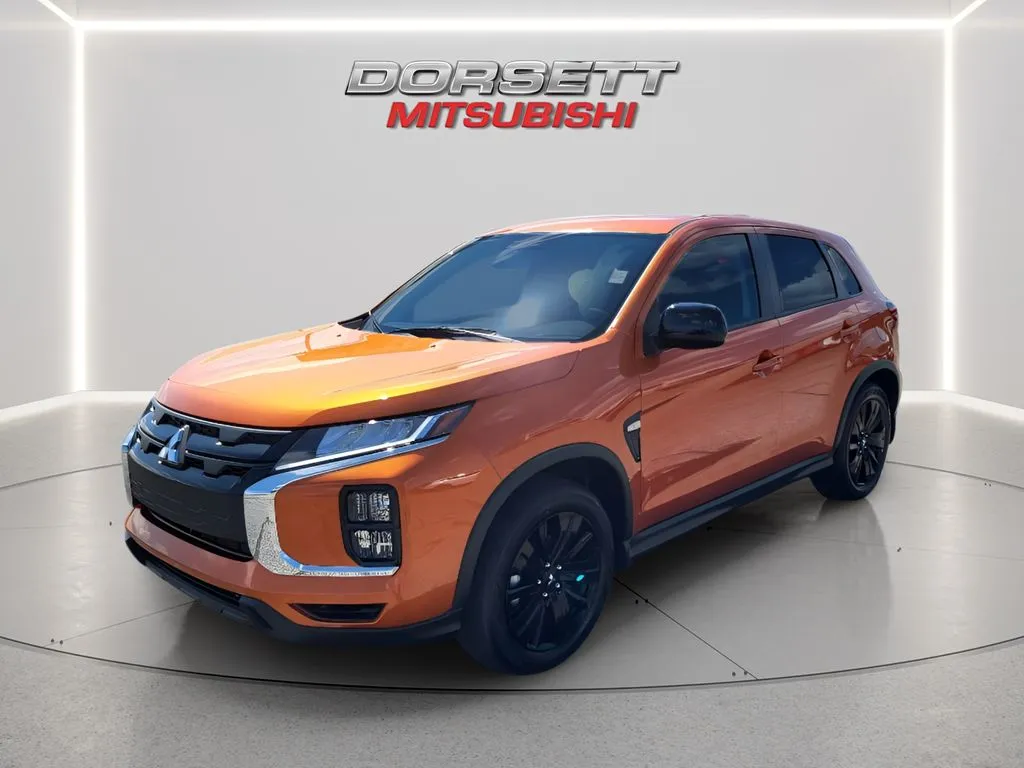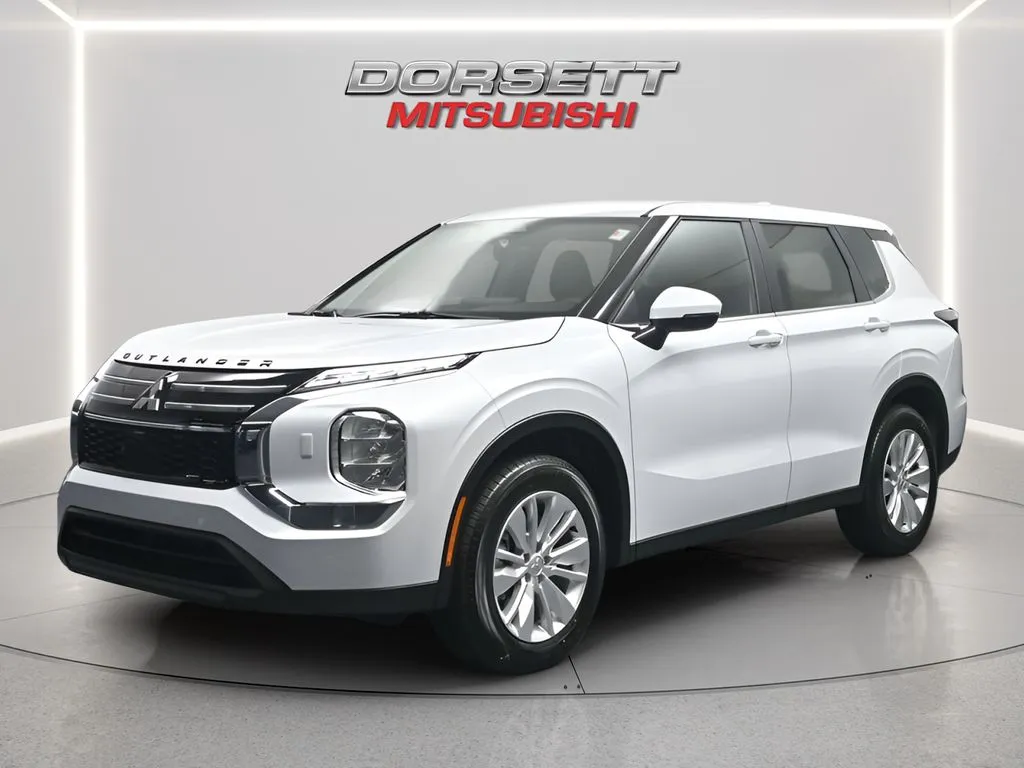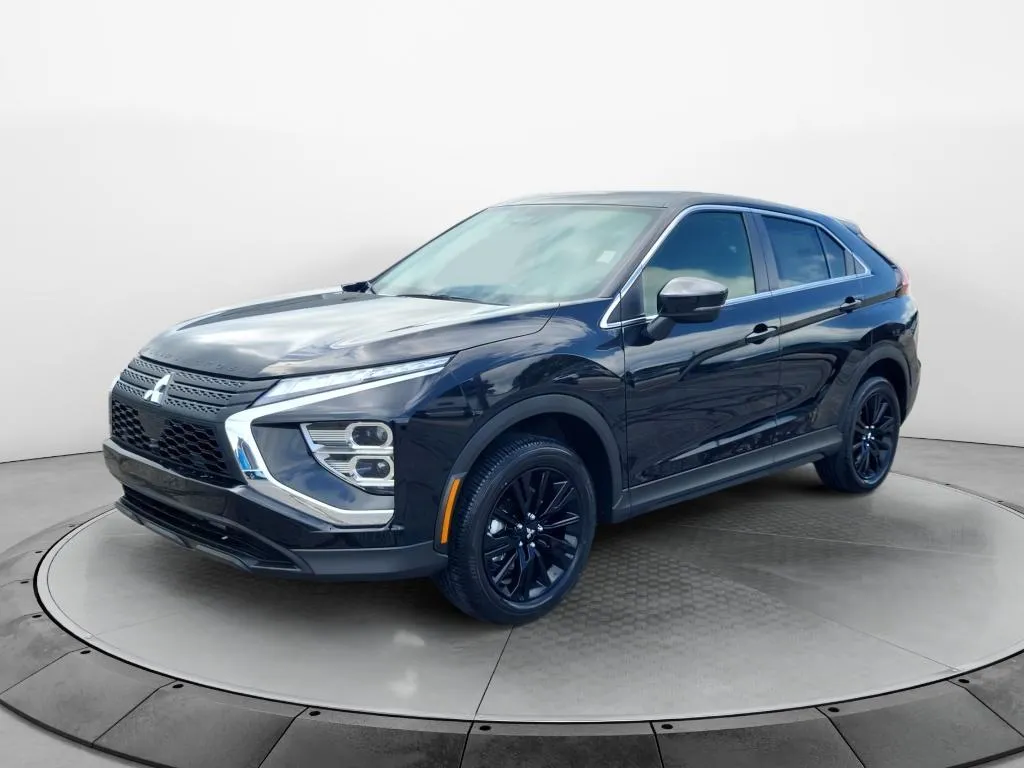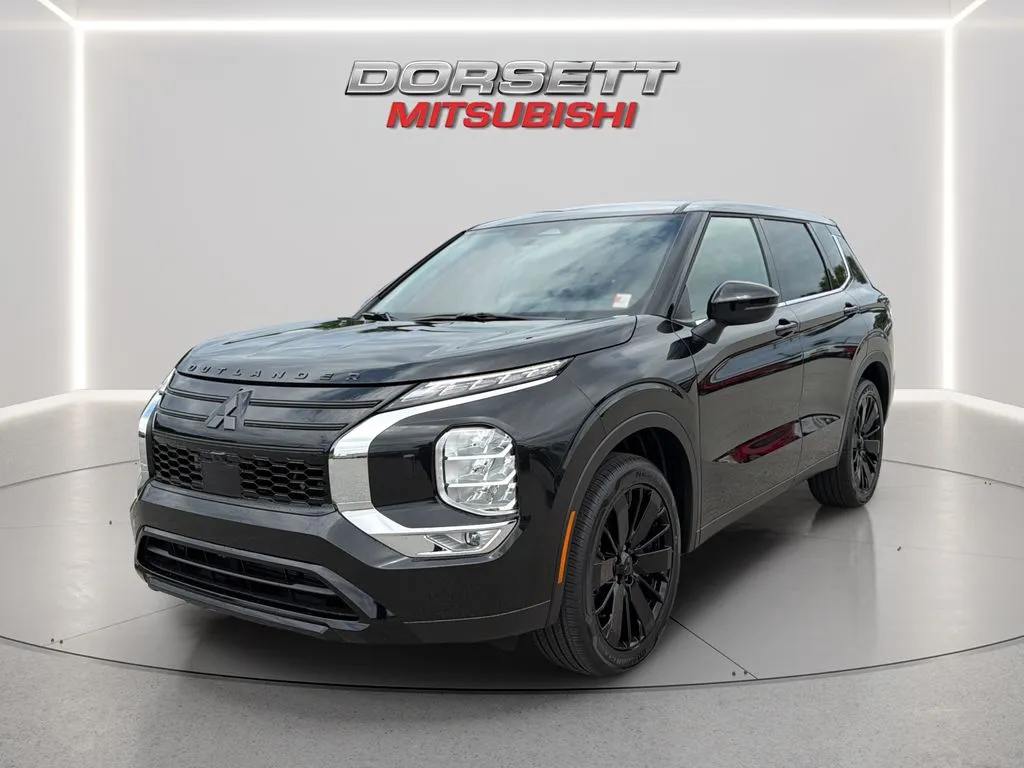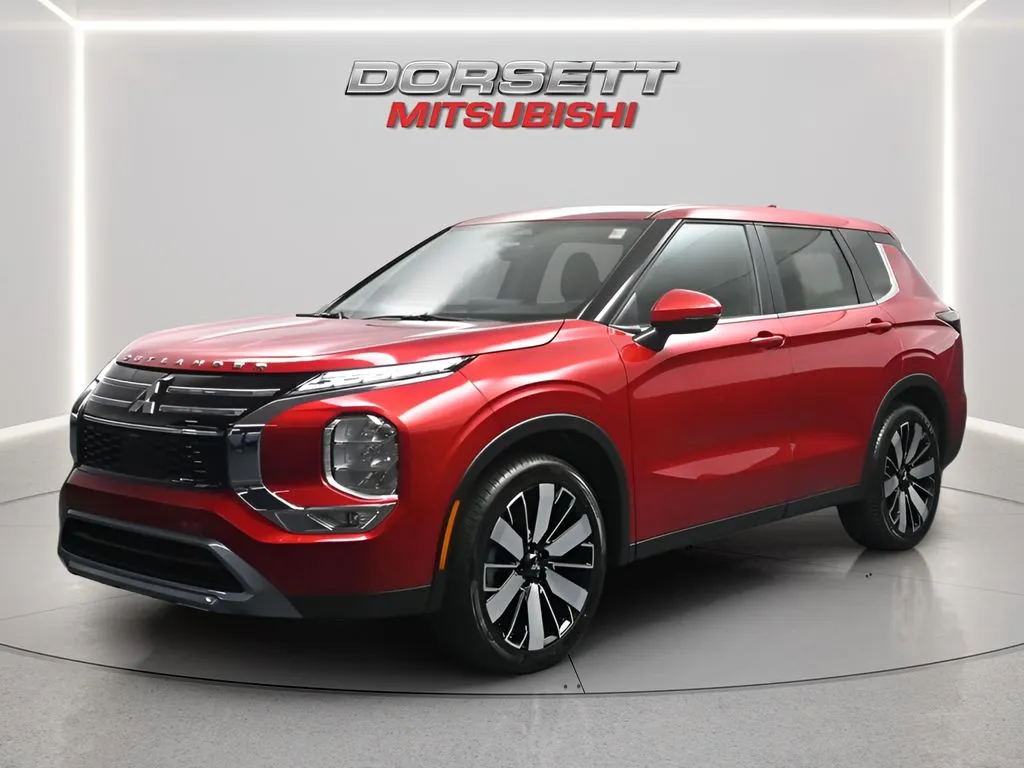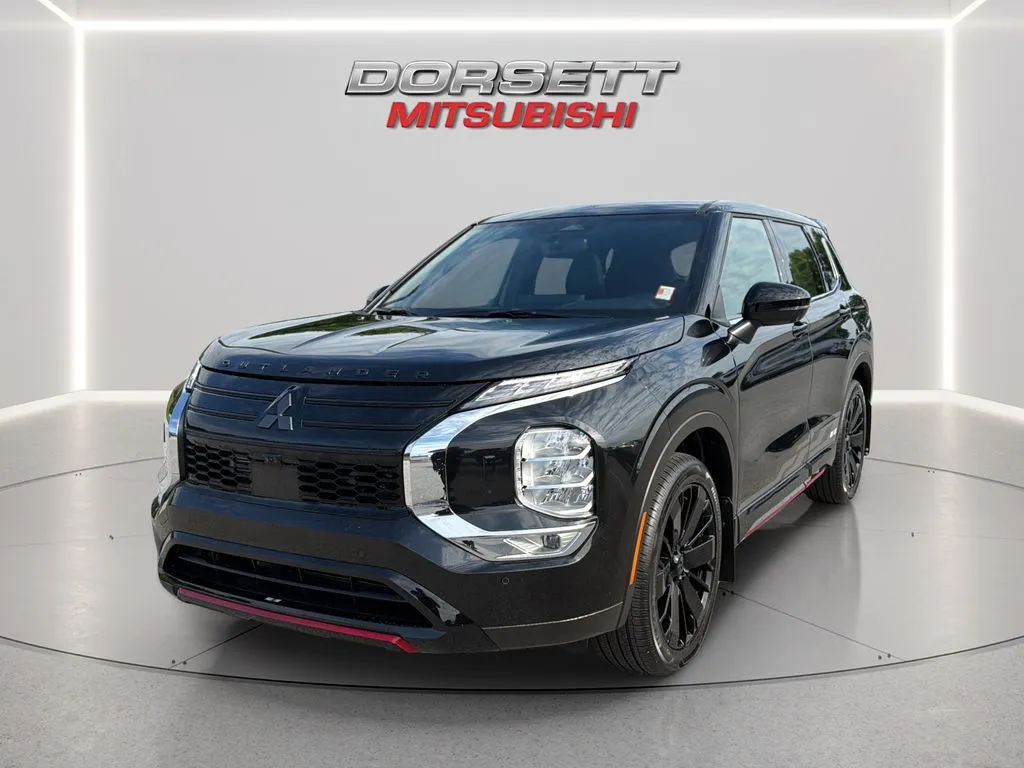
How MI-PILOT Assist™ and AWC Build Everyday Confidence in the 2026 Mitsubishi Outlander around Bloomington, IN
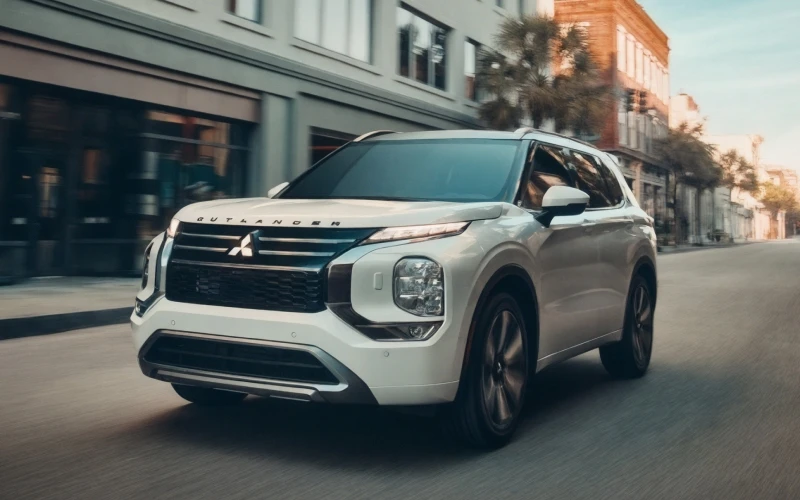
Dorsett Mitsubishi - How MI-PILOT Assist™ and AWC Build Everyday Confidence in the 2026 Mitsubishi Outlander around Bloomington, IN
When an SUV blends advanced driver assistance and smart traction seamlessly, commuting starts to feel easier and weekend plans become more spontaneous. That’s where the 2026 Mitsubishi Outlander stands out. Two technologies do a lot of heavy lifting—MI-PILOT Assist™ and All-Wheel Control (AWC). Together, they can reduce fatigue on longer highway runs, maintain steadier control in changing weather, and support confident lane management when traffic gets busy around Bloomington, IN. While no assist replaces attentive driving, the way these systems integrate with Outlander’s calm chassis and quiet cabin is exactly what many families and commuters have been asking for.
Start with MI-PILOT Assist™. At its core, it coordinates adaptive cruise control and lane-keeping functions to help your Outlander maintain following distance and lane position. In stop-and-go conditions, it can ease the constant variability of traffic flow by gently managing acceleration and braking, while steering support helps reduce small corrections that wear you out over time. The system communicates clearly—alerts stay intuitive in the cluster, and control inputs feel natural rather than intrusive. That transparency matters because you remain in control. If you prefer to drive undisturbed, just leave MI-PILOT Assist™ off. When you want backup on a long stretch of highway, readily engage it and enjoy steadier, more relaxed miles.
AWC focuses on traction—quietly in the background—so you enjoy consistent, predictable responses as surfaces change. Rain-slicked intersections, leaf-covered side streets, or light snow on the ring roads can all create the kind of split-second variables that make drivers tense. AWC continuously evaluates wheel slip and can redirect power to help maintain stability and forward momentum. Paired with drive modes, the system adapts behavior to conditions and driver intent. On a wet morning commute, you want calm and control. Heading out for a family day trip, you expect smooth engagement and easy confidence when a country road shifts from pavement to gravel.
Outlander’s clear, straightforward interfaces help these technologies feel approachable. Controls are simple, and system status is easy to read at a glance. Supporting tech rounds out the package: a standard 12.3-inch touchscreen with wireless Apple CarPlay and Android Auto, available wireless charging, and an optional 12-speaker Yamaha audio upgrade that makes podcasts, playlists, and navigation prompts crisp and immersive. In short, the cabin behaves like a quiet, organized workspace—ideal when you are managing multiple roles in a single day.
- Highway support: MI-PILOT Assist™ can reduce fatigue on long drives by coordinating adaptive cruise and lane-keeping functions.
- All-weather assurance: AWC helps manage traction on wet, slushy, or lightly snow-covered roads for steadier, more predictable responses.
- Clear communication: Alerts and status displays are easy to follow, so you remain confidently in command.
- Everyday comfort: The quiet cabin and refined ride help the technology fade into the background, keeping attention on the road.
For families, the benefits show up in subtle ways. Fewer steering corrections and steadier speed can translate to calmer passengers and less driver fatigue by the time you reach the school event or weekend destination. For commuters, the combination of MI-PILOT Assist™ and AWC reduces mental load when traffic, weather, and time constraints compete for attention. Because the systems are easy to tailor—toggle on when you want support, off when you prefer a traditional drive—you decide how and when technology joins the effort.
At the heart of this balanced approach is the Outlander’s underlying composure. The chassis keeps body motions tidy on uneven pavement, and sound-deadening helps conversations stay relaxed at speed. That steady foundation lets MI-PILOT Assist™ and AWC demonstrate their value without overshadowing the simple pleasure of a smooth, quiet drive.
If you are considering your next family SUV or upgrading your commuter, set aside time to test how these systems feel in your hands. Bring your typical routes—highway, surface streets, and that tricky, often damp corner you always notice. See how Outlander’s responses match your expectations and how easily the driver aids blend with your style. One well-structured test drive can reveal what spec sheets cannot.
Dorsett Mitsubishi welcomes shoppers exploring safer, smarter-feeling daily drives, and our team will help you evaluate which features fit your routine and which trims package them best—without overcomplicating the decision. We are proudly serving Lafayette, Bloomington, and Brazil with transparent guidance, thorough demos, and a friendly, efficient process that respects your time.
Frequently Asked Questions:
Does MI-PILOT Assist™ work in stop-and-go traffic?
Yes. It can help manage following distance and low-speed movement to ease the rhythm of slowdowns, though you remain responsible for attentive control.
Is All-Wheel Control (AWC) worth it if most of my driving is on highways?
AWC shines when traction changes—rain, slush, or sudden lane debris—but it also adds composure when merging and exiting ramps. If weather varies across your week, AWC is a smart upgrade.
Can I customize how much assistance I get from MI-PILOT Assist™?
Yes. You choose when to activate it, can adjust following distance, and can disengage lane support anytime. The system is designed to be helpful yet unobtrusive.
Which audio setup is available if I care about sound quality?
The standard Yamaha system sounds great, and the available 12-speaker Yamaha upgrade delivers richer detail and a wider soundstage for music and podcasts.
Request more 2026 Mitsubishi Outlander information